
Our IATF 16949 Audit Preparation
Bridging Consumer to Automotive: Our IATF 16949 Audit Preparation
Why We Are Doing This
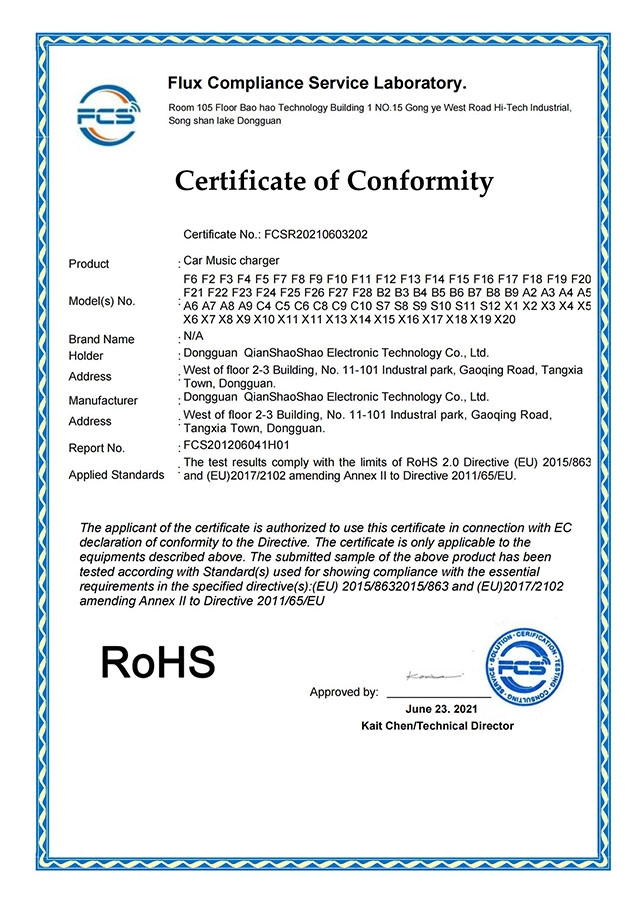
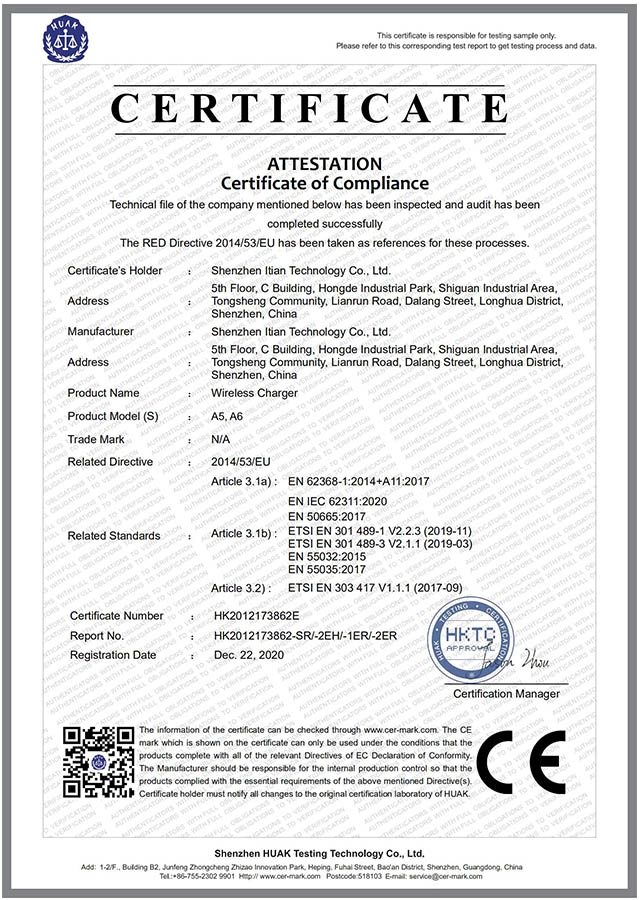
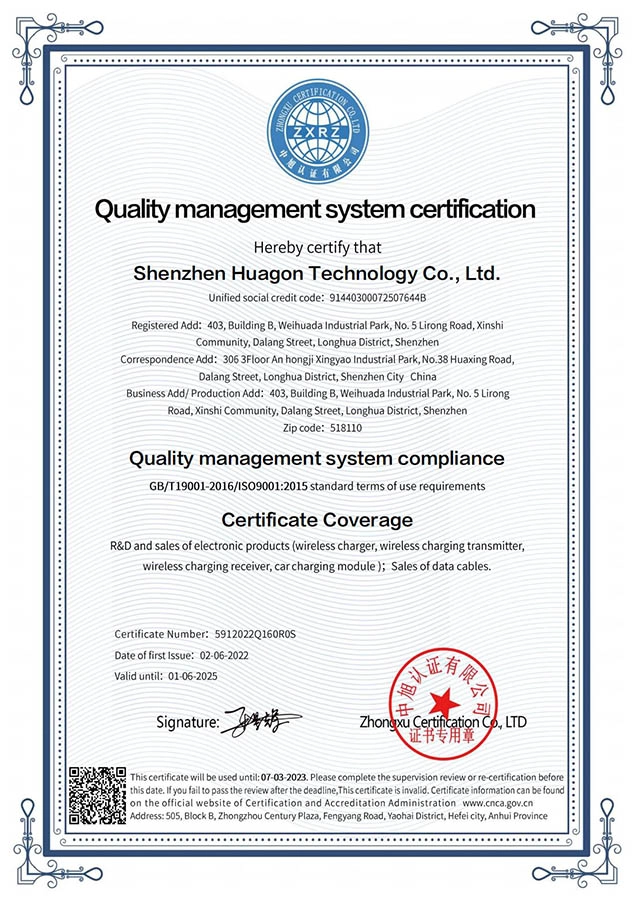
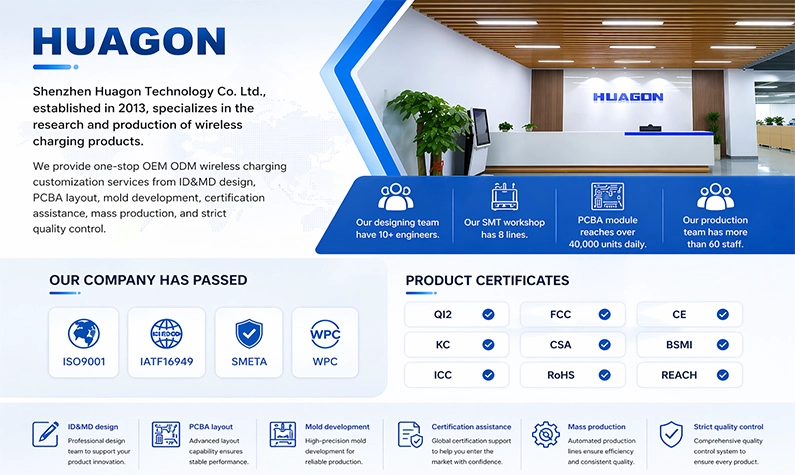
We are a custom wireless charger manufacturer for overseas markets. We hold BSMI and ISO 9001. But our clients are now automotive OEMs and Tier 1 suppliers. That means we need IATF 16949 — not as a badge, but as proof of automotive discipline.
Here is how we prepared for the audit, without rewriting our entire system from scratch.
1. Mindset: From Reaction to Prevention
ISO 9001 taught us fast response. IATF 16949 demands zero defect over years of production.
What we did:
Deepened FMEA – We now cover not just PCBA and coils, but shipping vibration, humidity, and temperature cycling.
Aligned control plans with work instructions – Operator actions, control plan, and WI now match 100% on every line.
Linked problem-solving to FMEA – Every 8D updates the relevant FMEA and control plan. No standalone fixes.
2. Custom Orders + Automotive CSRs
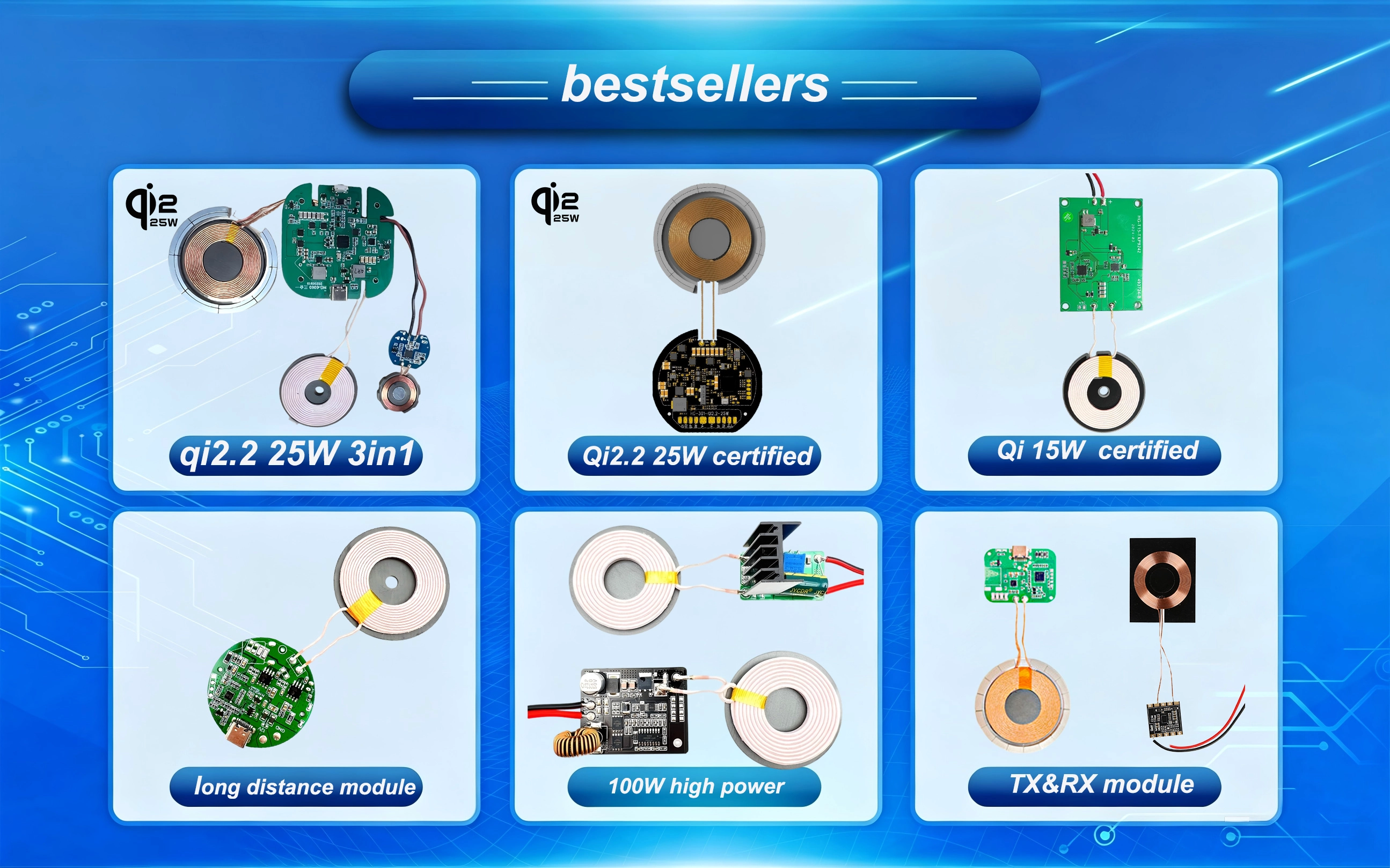
Customization is our strength. In automotive, it means managing Customer-Specific Requirements (CSRs) precisely.
Our approach:
CSR matrix – Each client’s rules (REACH, RoHS, labels, frequency bands) mapped to IATF clauses.
PPAP Level 3 for every variant – Even 1,000‑unit runs now require full dimensional, material, and performance records.
Strict change control – No component substitution without risk review and revalidation.
3. Traceability, Error‑Proofing, and Cleanliness
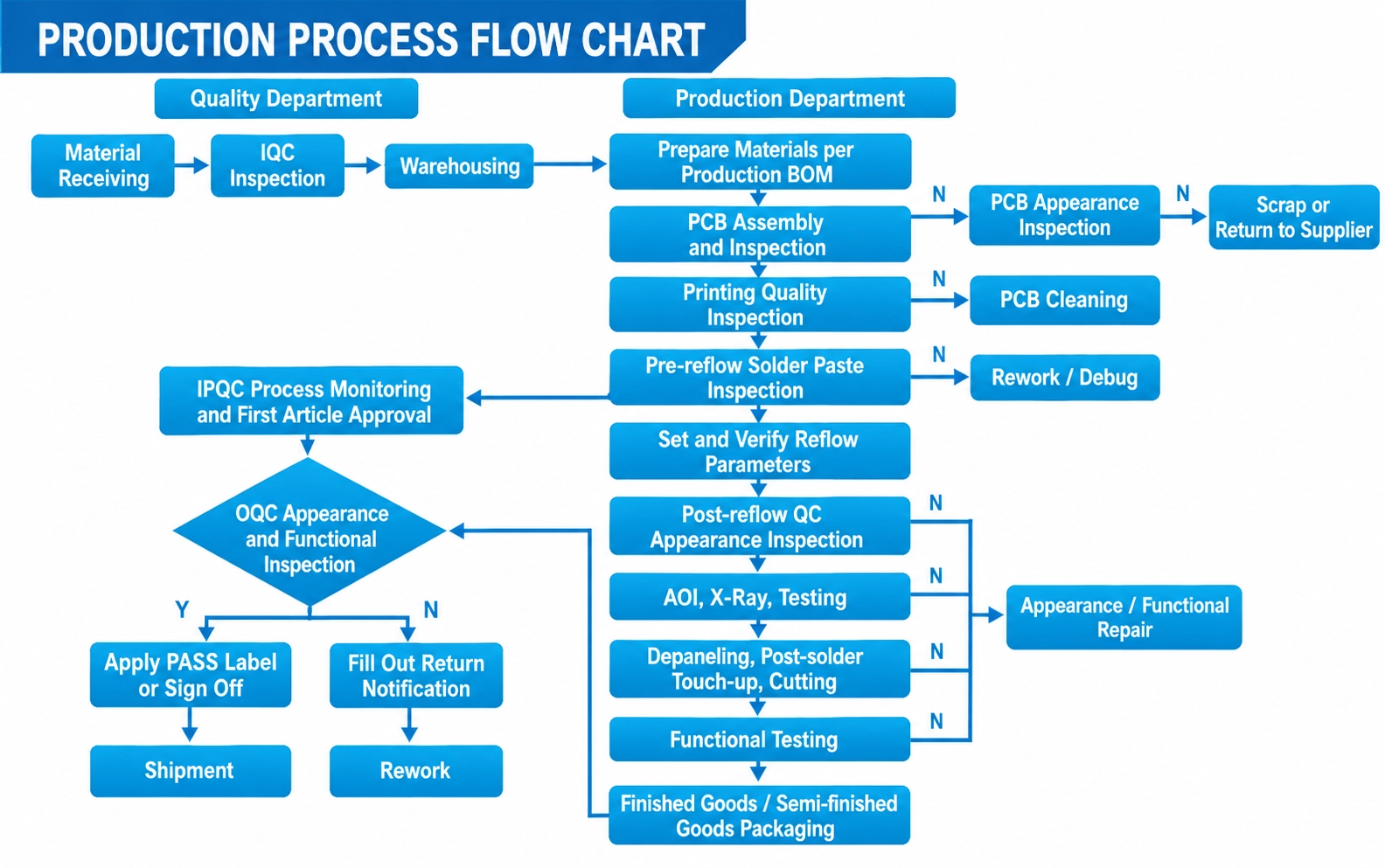
BSMI covers safety. IATF 16949 demands full traceability and poke‑yoke.
Implemented controls:
Traceability drill – From overseas field failure to coil batch, SMT line, operator, and test station in under 10 minutes.
Red rabbit tests – Known defects inserted into the line. Error‑proofing devices achieved 100% interception.
Cleanliness limits – Quantitative limits on solder balls and metallic dust. Rework area has separate risk‑based work instructions.
4. One Integrated System (ISO 9001 + IATF 16949)
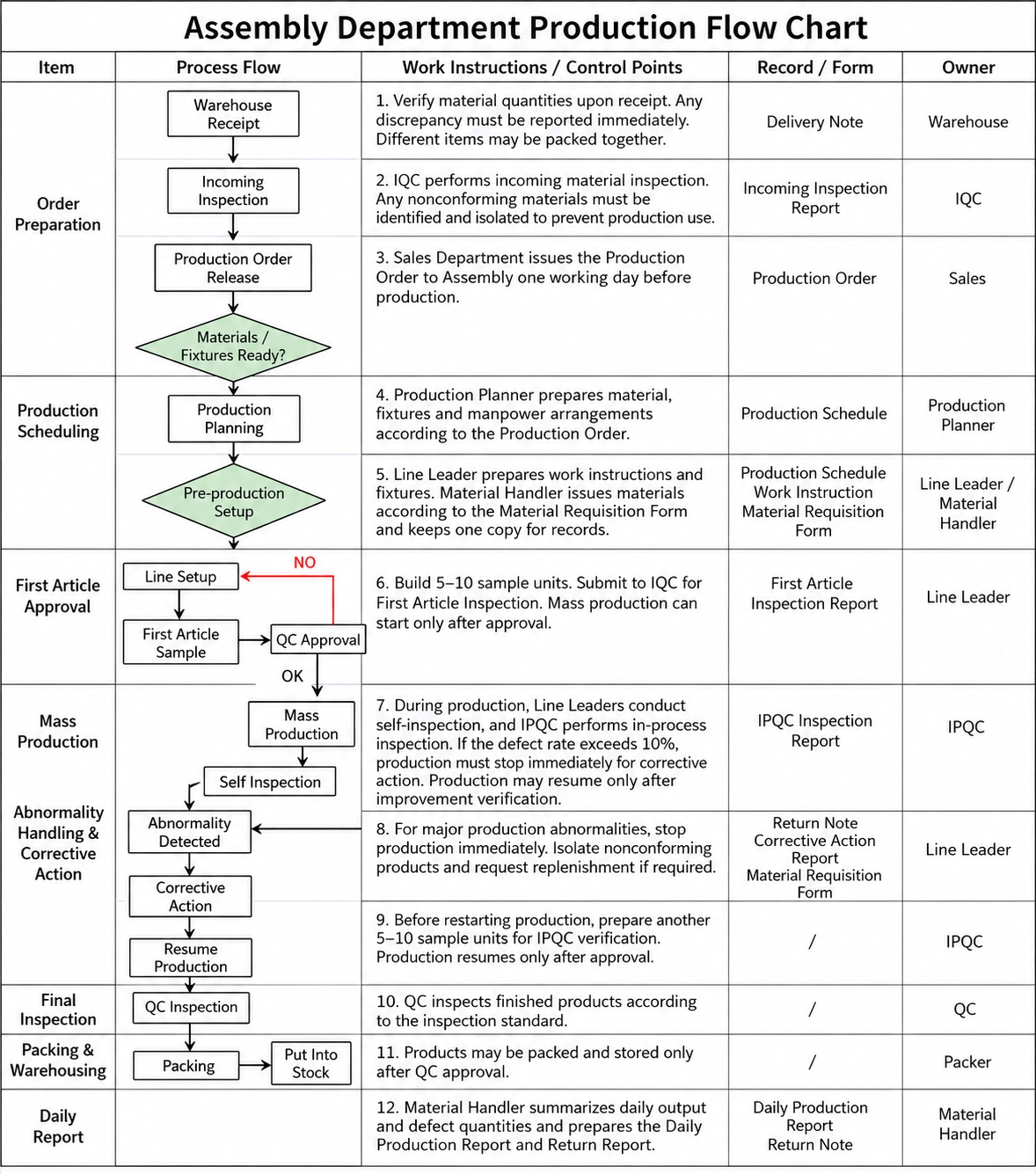
No two separate manuals. IATF 16949 as skeleton, ISO 9001 as tissue.
Key checks before audit:
KPIs with teeth – OEE, FPY, delivery, PPM. Three months below target triggers formal corrective action, not a comment.
Auditor competence – All internal auditors trained in APQP, PPAP, FMEA, SPC, MSA. A mock audit caught 12 hidden nonconformities (e.g., missing rework risk instructions, incomplete torque wrench calibration).
Documentation – Where ISO 9001 and IATF differ, we follow the stricter automotive rule.
5. Real Management Review (No Rubber‑Stamping)
Auditors will question our GM directly. We prepared:
Strategy – Chip shortage response: alternative component validation (AVL) with full PPAP before substitution.
Risk – New EU/US radiation limits: quarterly regulatory watch built into business continuity plan.
Resources – Dedicated NPI team for automotive + new thermal cycling chambers for life testing.
Every management review now produces documented decisions, owners, and deadlines.
6. Mock Audit Results (What Auditors Will Check)
We ran a full mock audit with a Tier‑1 experienced consultant. They focused on:
Floor – Random WI: operator has correct revision? Control plan matches? SPC charts show reaction limits?
Calibration – Power meter record: traceable to national standard? “As‑found” data available?
Incoming – Coils from overseas supplier: receiving inspection, PPAP, supplier audit?
Customer feedback – One recent complaint: walk us through 8D → FMEA → control plan → horizontal deployment.
We passed with minor findings and closed them in five days.
Closing: Certification Is the Entrance, Not the Finish Line
We are not a decades‑old Tier 1. But we have:
A solid base in BSMI + ISO 9001
Six months of focused work on the five core tools
A team that sees the audit as a mirror, not a test
For our overseas clients: the IATF 16949 certificate means your custom wireless charger is not just feature‑rich. It is road‑ready — tested for vibration, heat, cold, humidity, and millions of cycles.