
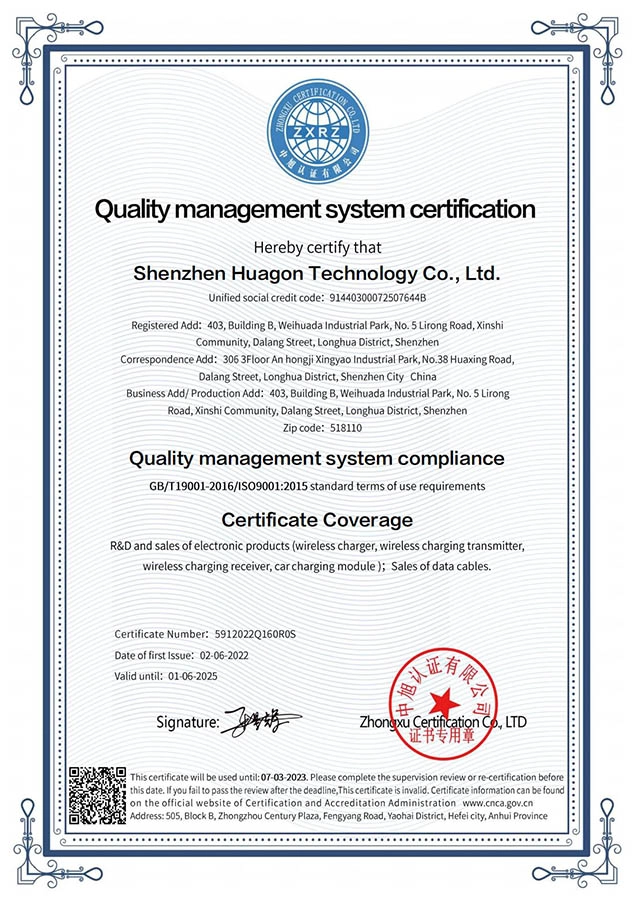
The Wireless Charging Landscape at CES 2026: The Official Arrival of the Qi2.2 Era
At CES 2026, wireless charging was no longer just an accessory category — it emerged as a core infrastructure technology within the consumer electronics ecosystem. From standard upgrades to thermal management breakthroughs and multi-scenario integration, the industry clearly showed signs of maturity and system-level evolution.
Click China 25W wireless charger manufacturer to know more.
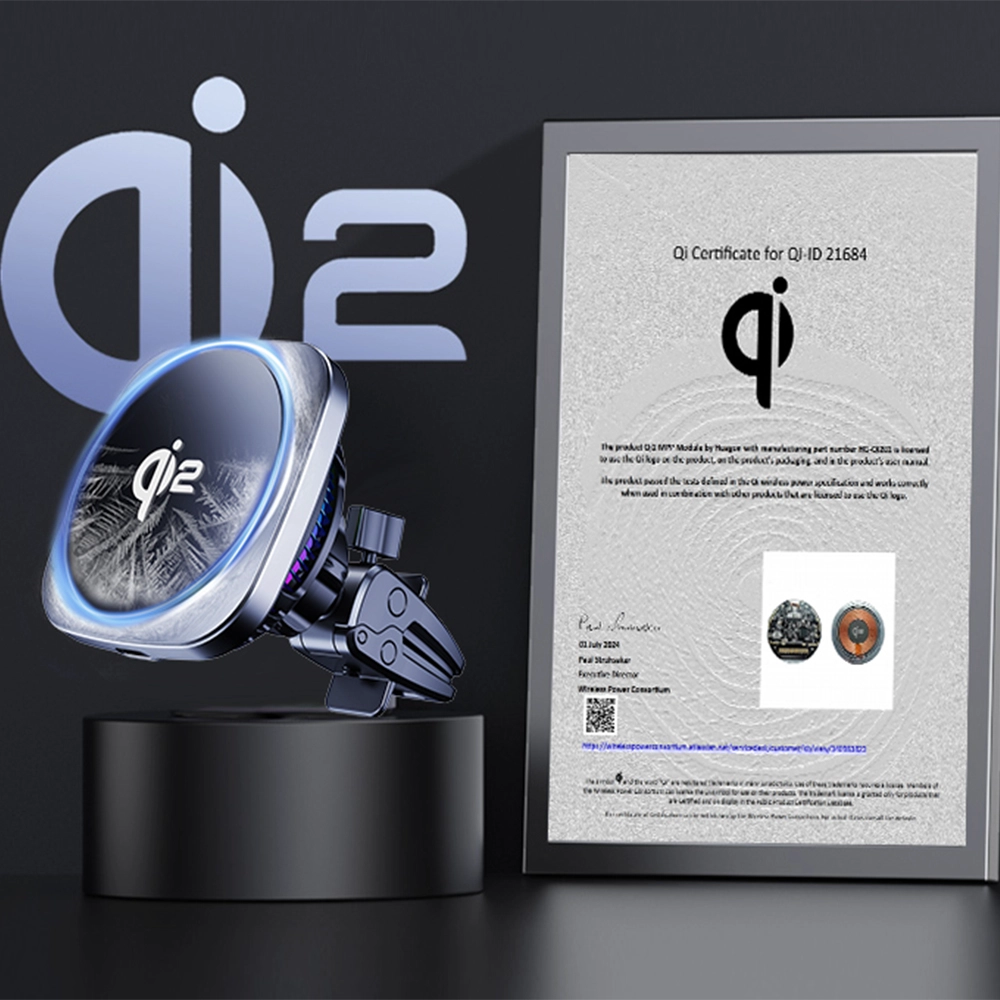
Unlike previous years that focused primarily on higher wattage, the central theme of this year can be summarized as: efficiency, stability, and ecosystem integration.
I. Qi2 and Qi2.2: Wireless Charging Enters the 25W Era
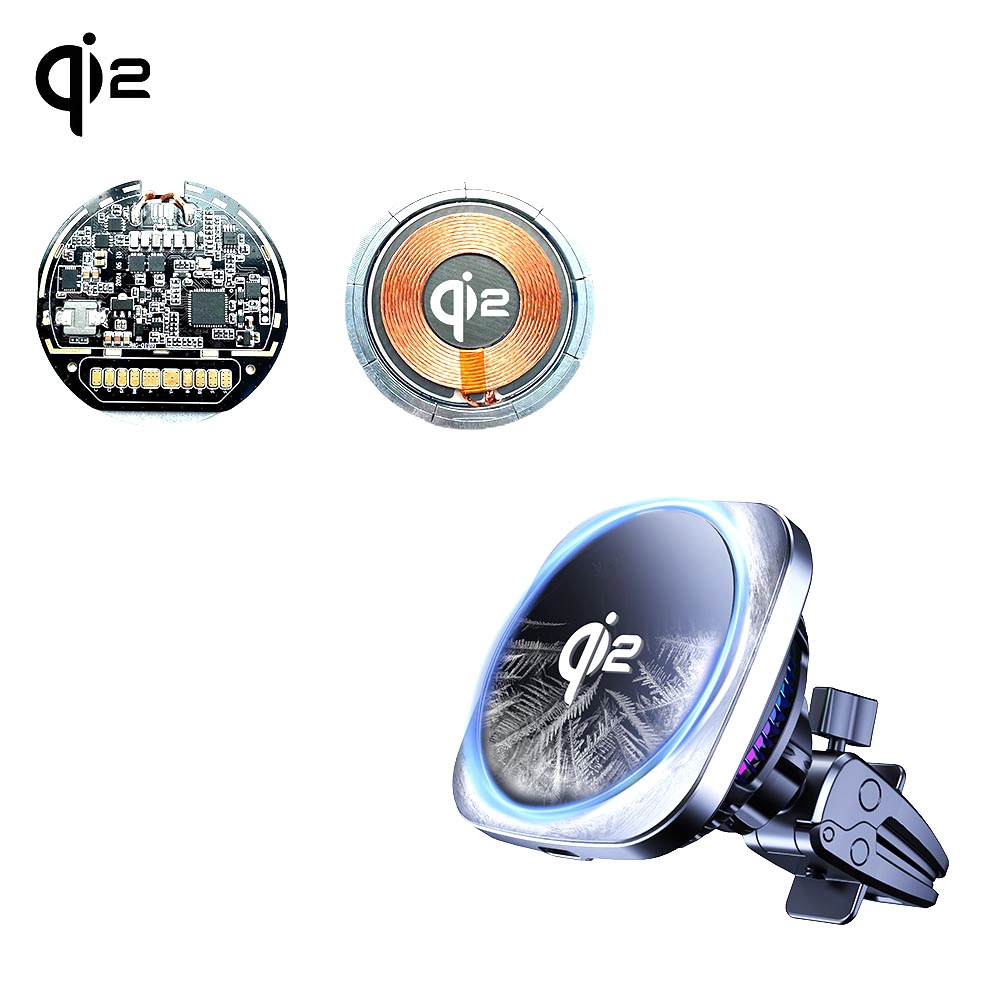
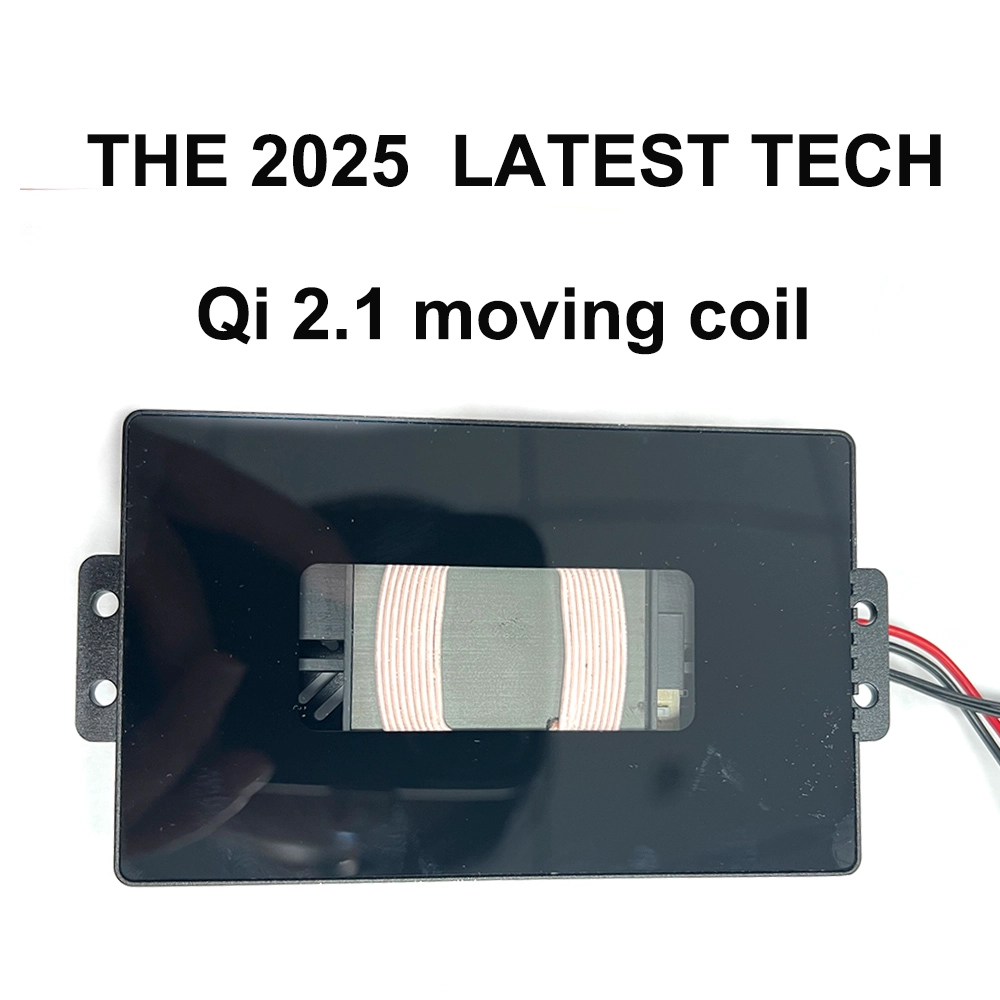
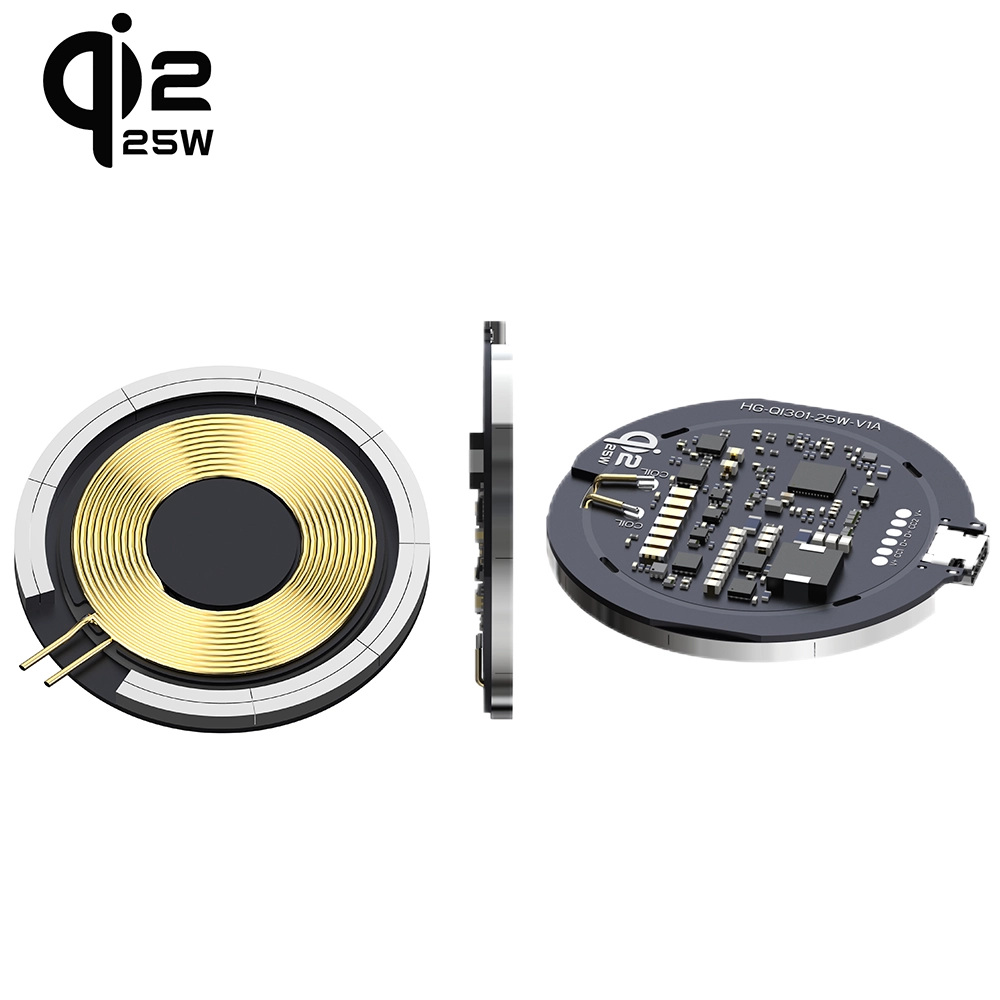
The clearest industry signal from CES 2026 was the widespread adoption of Qi2 and the large-scale debut of next-generation Qi2.2 technology.
1. 25W Becomes the New Industry Benchmark
Click China fast magnetic wireless charger supplier to know more.
For years, mainstream wireless charging power remained around 15W. At CES 2026, however, **25W emerged as the new default standard** for flagship devices and premium accessories.
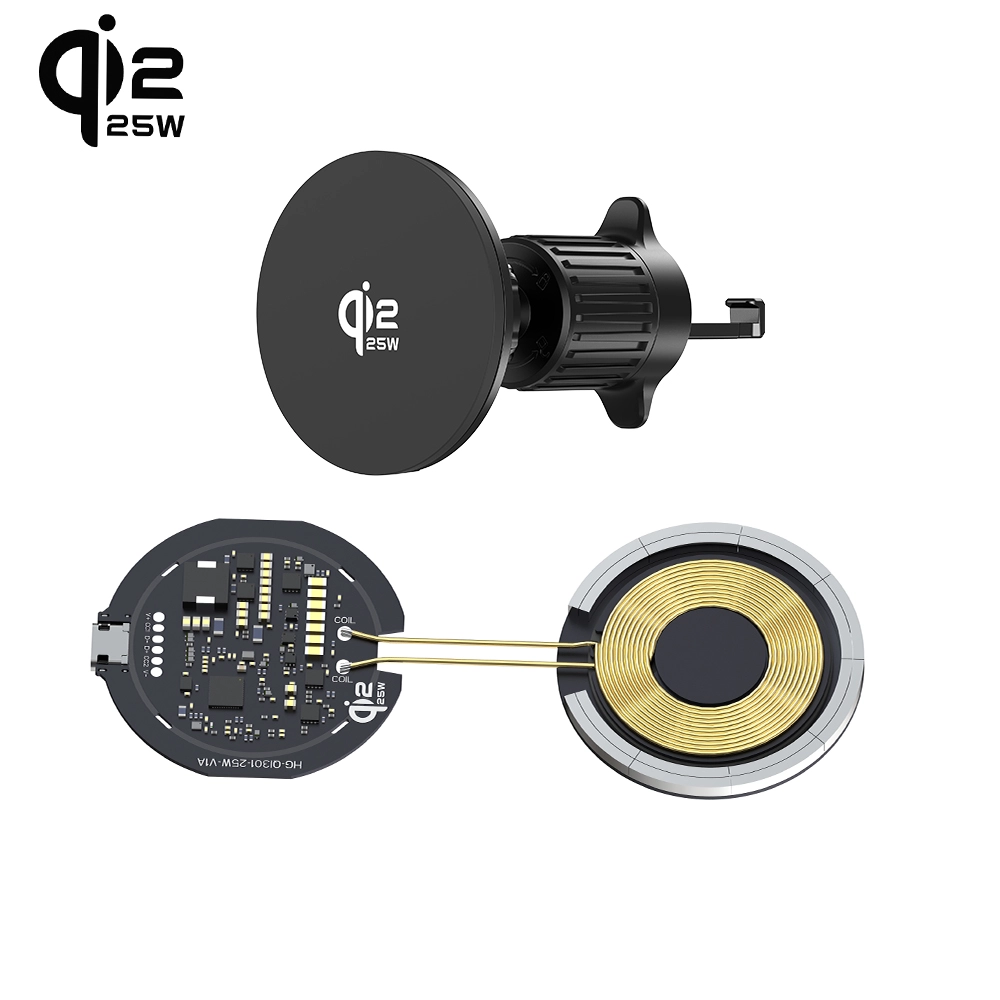
This shift means:
* Wireless charging performance is now approaching wired fast-charging levels
* Standardization across device and accessory makers is improving
* Proprietary protocols are gradually declining
In the magnetic charging segment, 25W has effectively become the baseline specification.
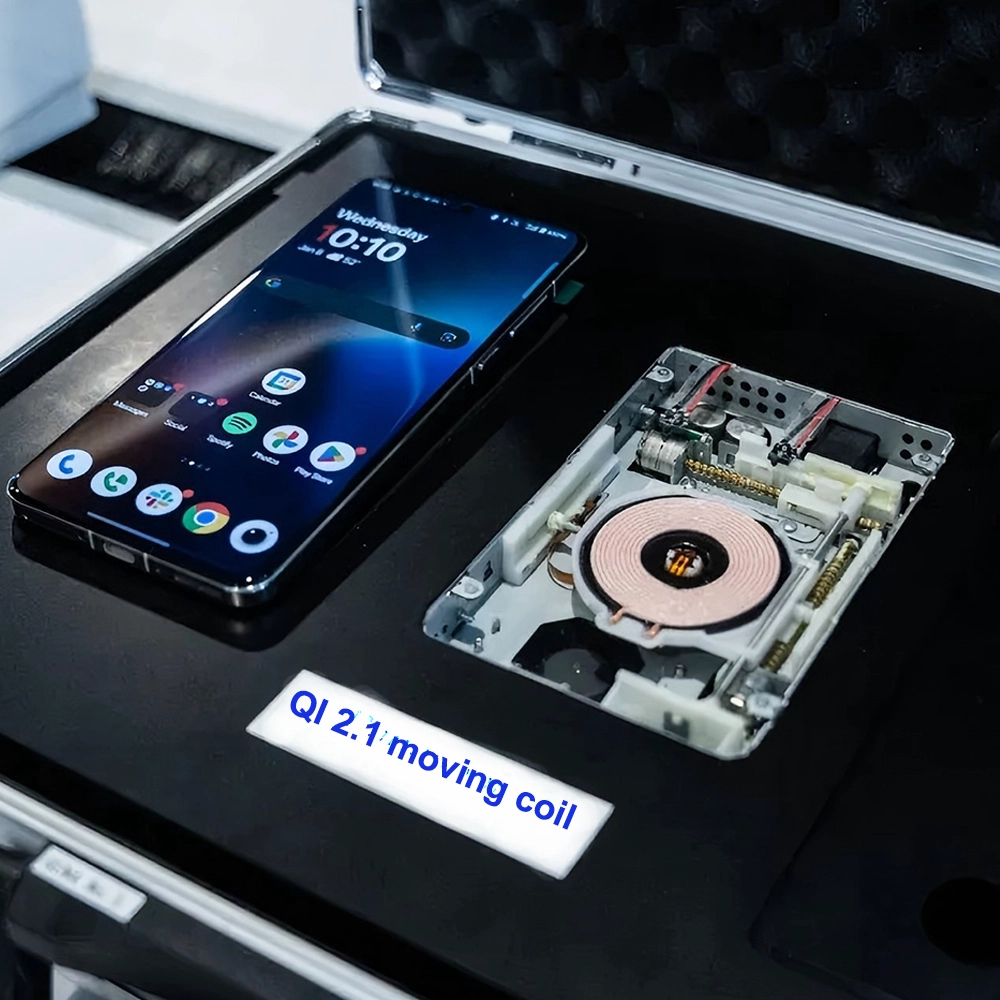
2. Qi2.2 Makes Its First Major Appearance
Click China high power wireless charging factory to know more.
Multiple manufacturers showcased Qi2.2-compatible products at the event, with technical improvements focusing on:
* Higher energy conversion efficiency
* More precise magnetic alignment
* Advanced thermal control systems
Qi2.2 is not merely about increasing power — it primarily addresses the biggest pain point in wireless charging: heat management and charging stability.
This signals a transition from the “fast charging phase” to the “high-quality power delivery phase.”
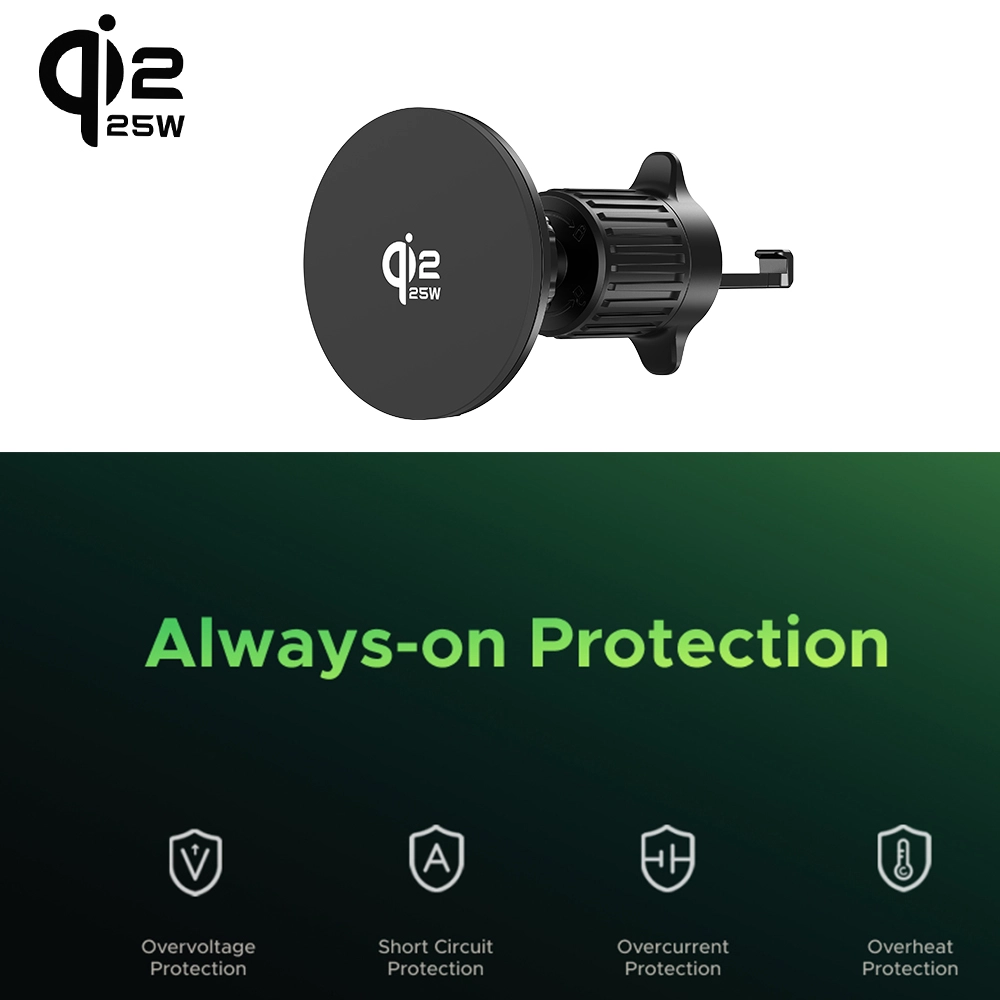
II. Key Innovation Direction: From Power Competition to Experience Competition
The technology trends at CES 2026 indicate that the industry is shifting away from pure wattage competition toward overall user experience innovation.
1. Active Cooling Becomes a Premium Feature
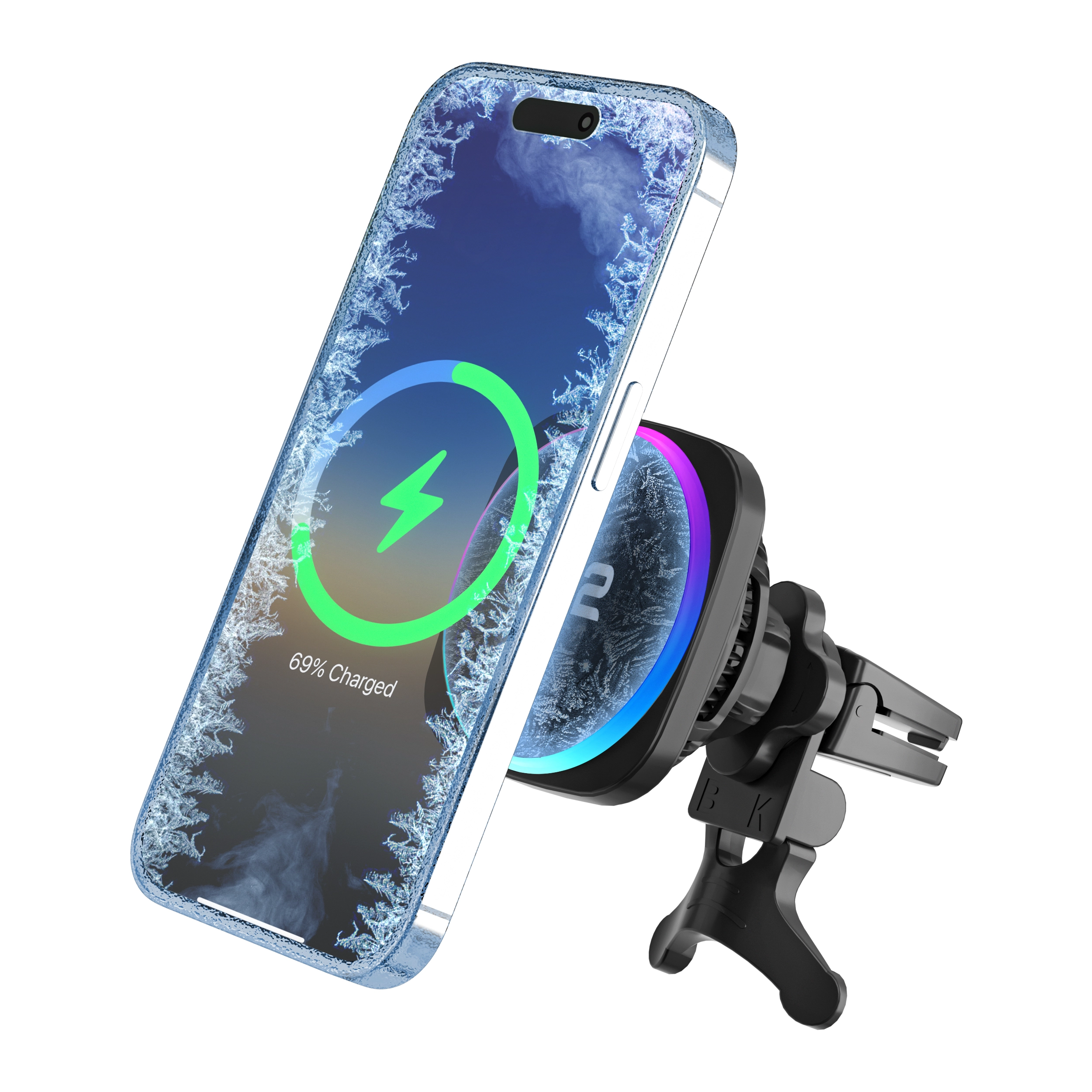
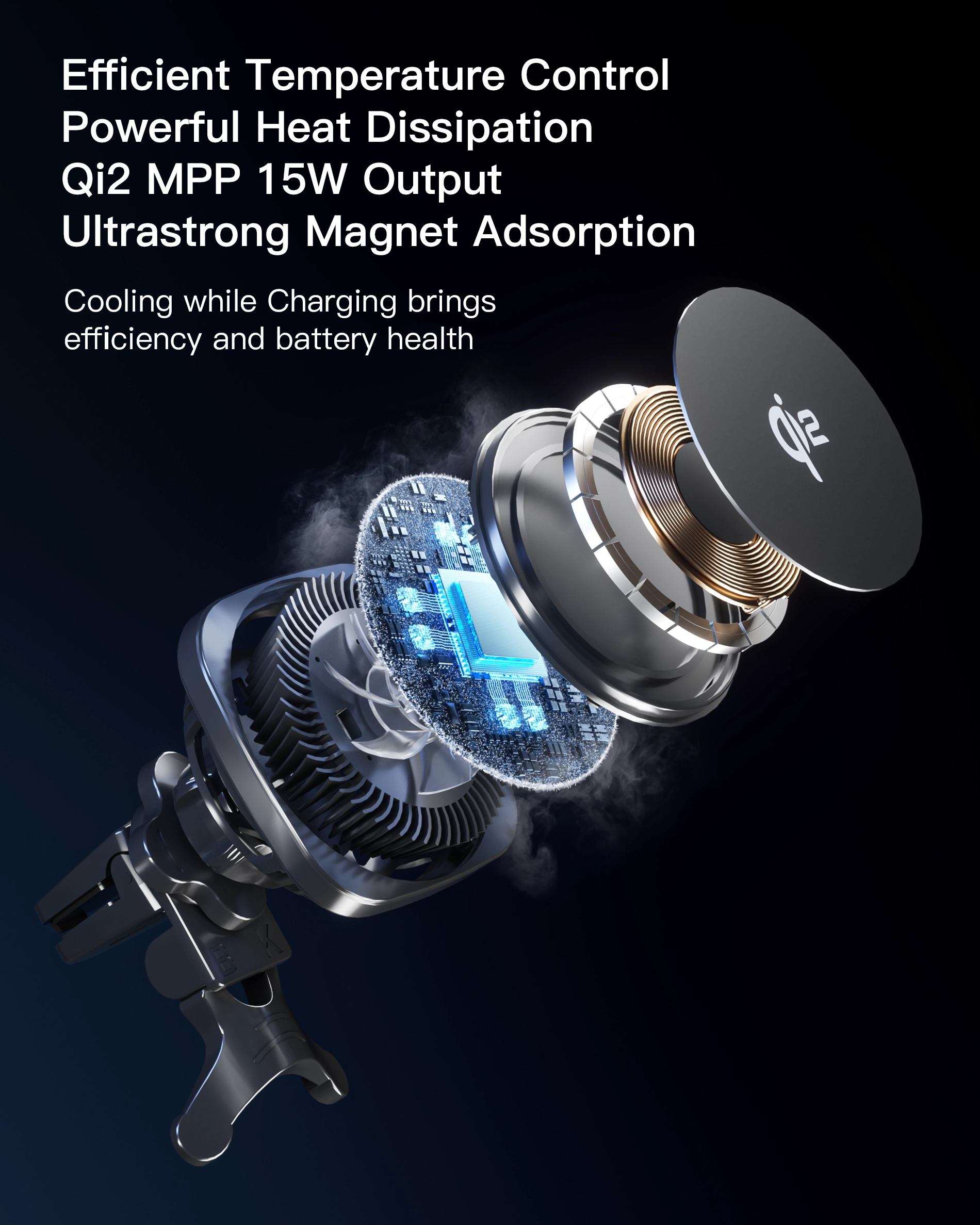
One of the most significant technological changes this year was the widespread adoption of active cooling in wireless chargers.
For example, ESR introduced its CryoBoost cooling technology, which uses built-in fans and advanced thermal structures to:
* Reduce operating temperature by about 5–6°C
* Improve charging stability
* Maintain high-speed charging over longer periods
This marks a new competitive formula:
> Wireless charging performance = Power × Thermal management capability
Thermal engineering is expected to become a key differentiator in high-end wireless charging products.
2. Magnetic Power Banks Enter the Ultra-Thin High-Power Era
Magnetic wireless power banks saw significant upgrades at CES 2026. New products from Baseus demonstrated key trends such as:
* Ultra-thin design
* 25W wireless output
* 45W wired fast charging
* GaN integrated power architecture
These products are evolving from emergency backup tools into primary mobile power solutions, reflecting the growing convergence of wireless and wired charging technologies.
3. Automotive Wireless Charging Moves Into High-Power Territory
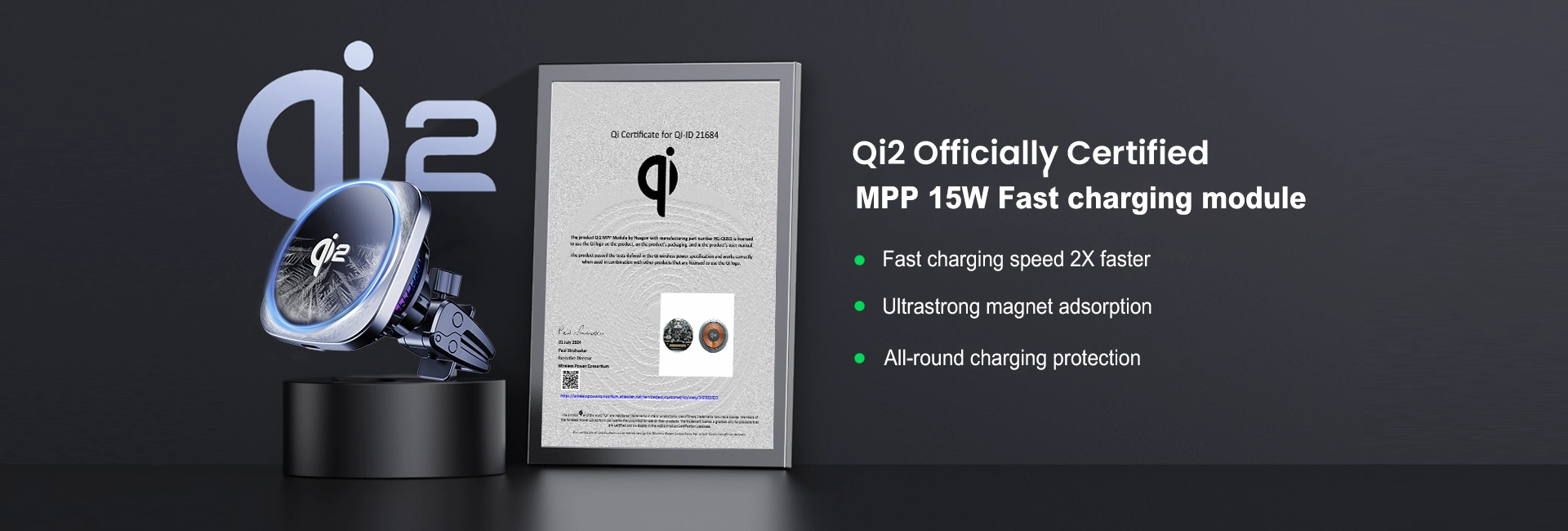
In-vehicle wireless charging also gained strong momentum. New systems commonly support:
* 25W Qi2 fast charging
* Automatic magnetic alignment
* Multi-angle mounting mechanisms
As smart cockpit adoption accelerates, in-car wireless power is transitioning from a convenience feature to essential infrastructure.
V. Key Technology Directions for the Next Three Years
Based on signals from CES 2026, the future development of wireless charging is likely to focus on:
1️⃣ Higher-Efficiency Qi Standards
Qi3 is expected to emerge around 2027–2028.
2️⃣ Long-Range Wireless Power
Including hidden desk charging and spatial power delivery.
3️⃣ Multi-Device Simultaneous Charging
Wireless power sharing technologies will advance.
4️⃣ Integration With Smart Home Infrastructure
Wireless power will become part of intelligent living spaces.
VI. Conclusion: Wireless Charging Enters a Mature, System-Level Era
CES 2026 marks a turning point for the industry:
* Power competition is largely complete
* Innovation is shifting toward efficiency and stability
* Market competition now centers on ecosystems and scenarios
Wireless charging has evolved from an accessory technology into a foundational power platform, with future growth extending far beyond smartphone charging.