25W Qi2.2 Wireless Charging Module: Technology Customization and Application
1. A Milestone in Wireless Fast Charging
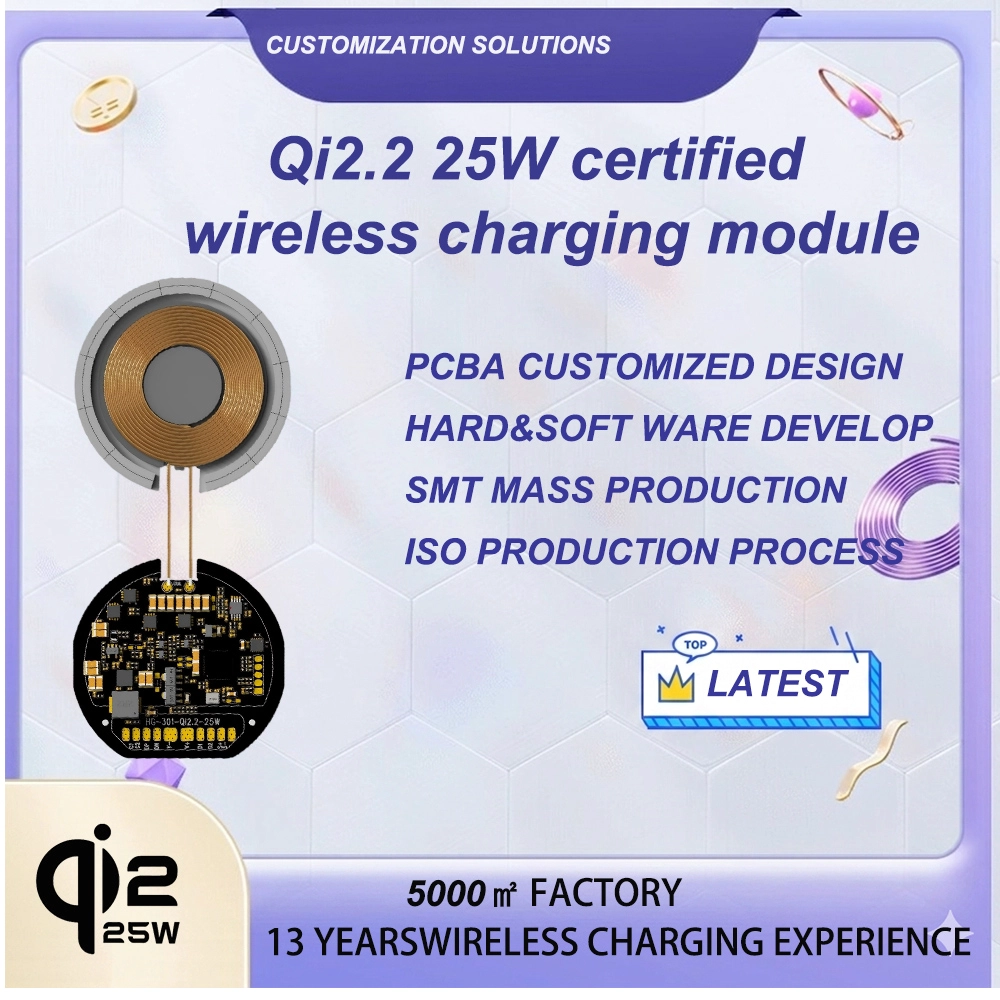
With the release of the Qi2.2 specification by the WPC in Q3 2025, wireless charging power has been elevated from 15W to 25W. This transition marks a turning point: a typical 4000mAh smartphone can now regain over 50% of its battery within 30 minutes via wireless charging, rivaling the speed of many wired solutions.
Beyond the raw power increase, Qi2.2 introduces three substantial improvements:
Enhanced MPP magnetic alignment ensures millimeter-level coil-to-coil precision, reducing energy loss from misalignment and sustaining real-world efficiency between 85% and 90%.
Intelligent thermal management employs multiple NTC sensors and adaptive power throttling, allowing sustained 25W output while preventing overheating and charge interruptions.
Full backward compatibility with Qi2.0, Qi2.1, and Qi 1.3 devices simplifies product development and preserves market utility for legacy equipment.
2. True Customization: From Standard Module to Engineered Solution
Off-the-shelf modules address basic functionality but fall short of delivering distinct product advantages. Effective customization must encompass electromagnetic design, mechanical integration, and thermal engineering.
2.1 Form-Factor Flexibility
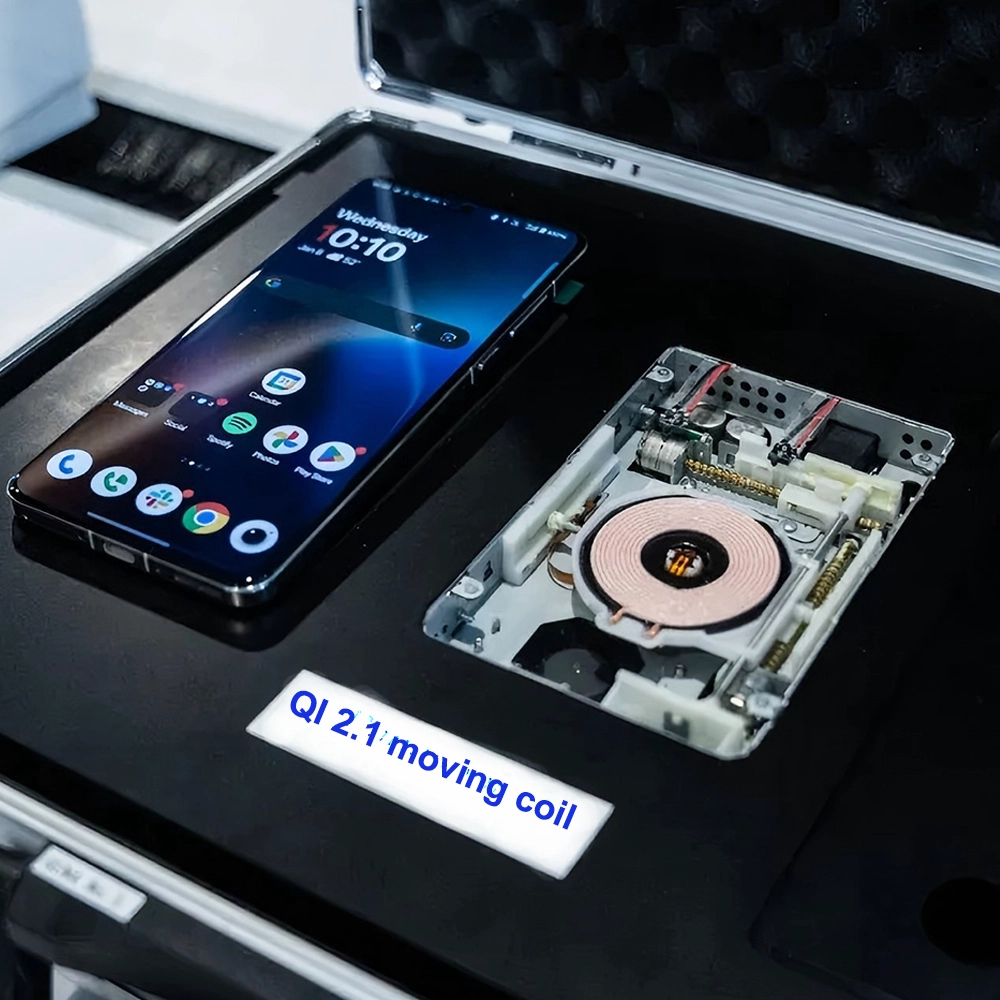
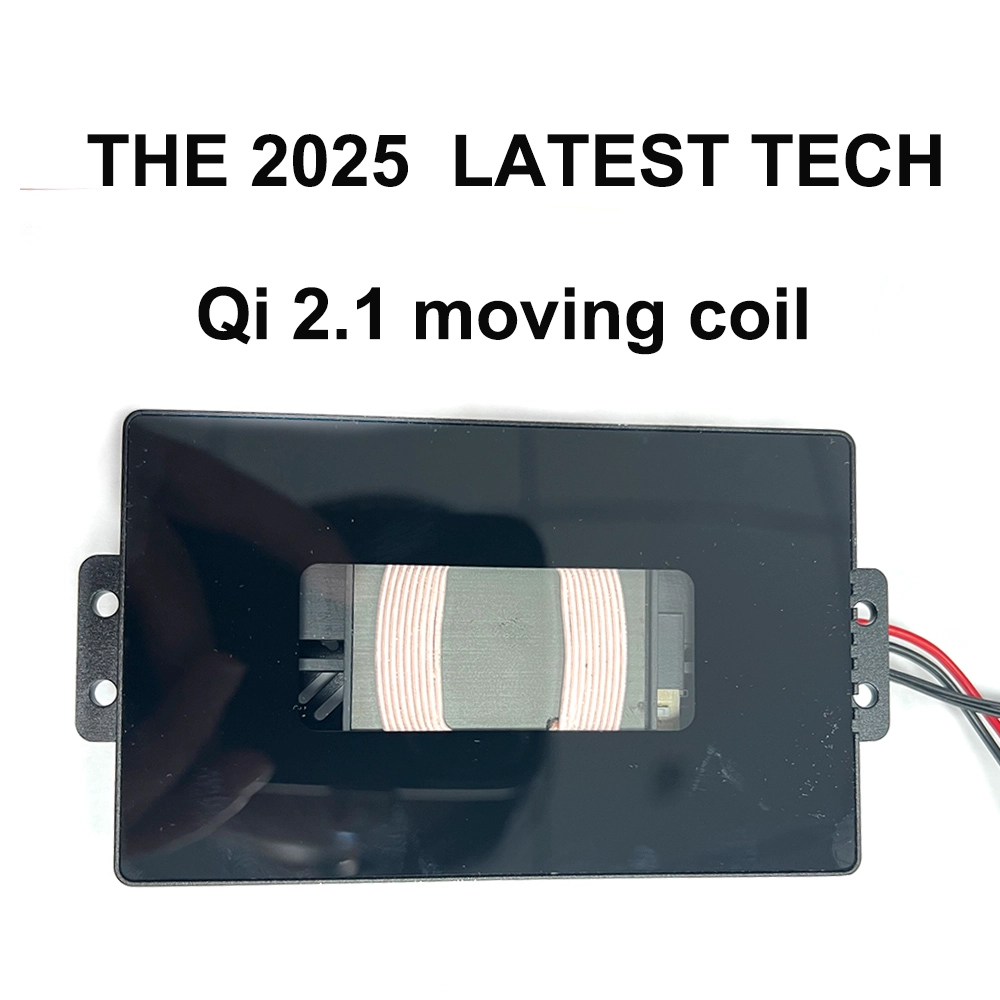
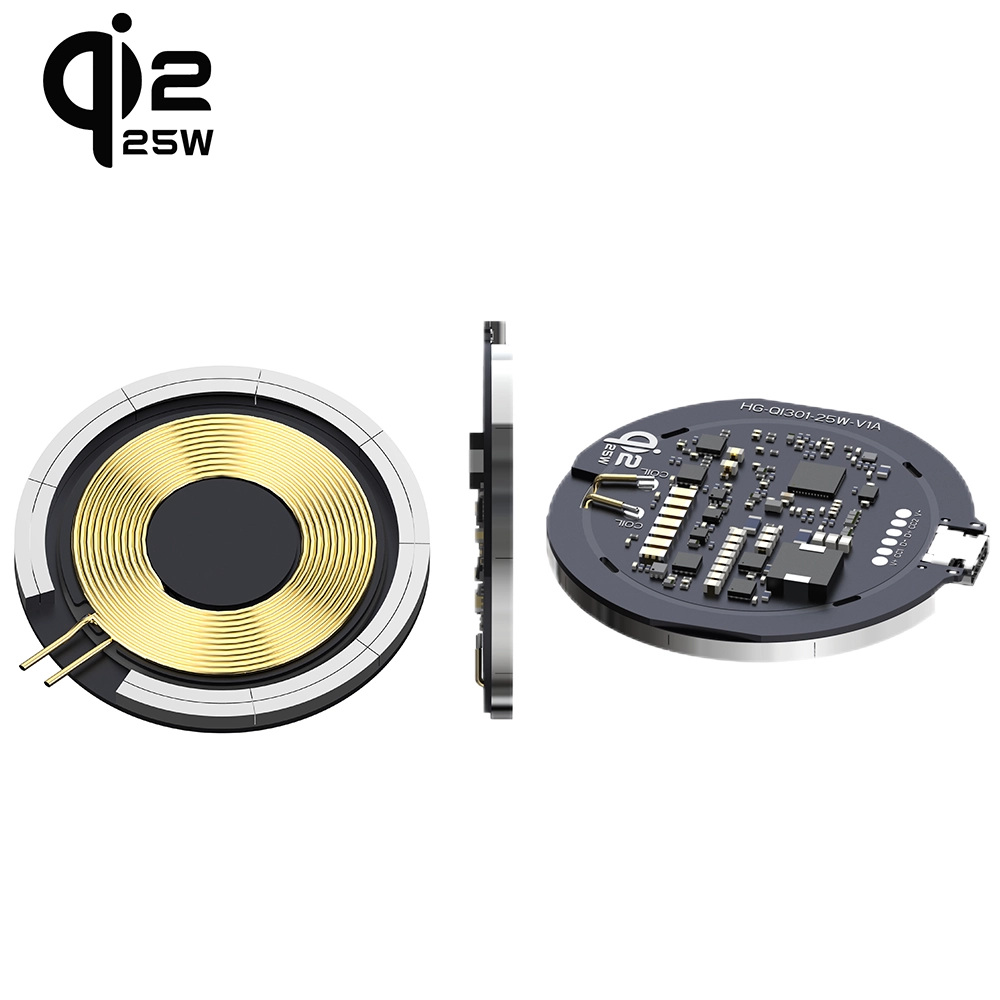
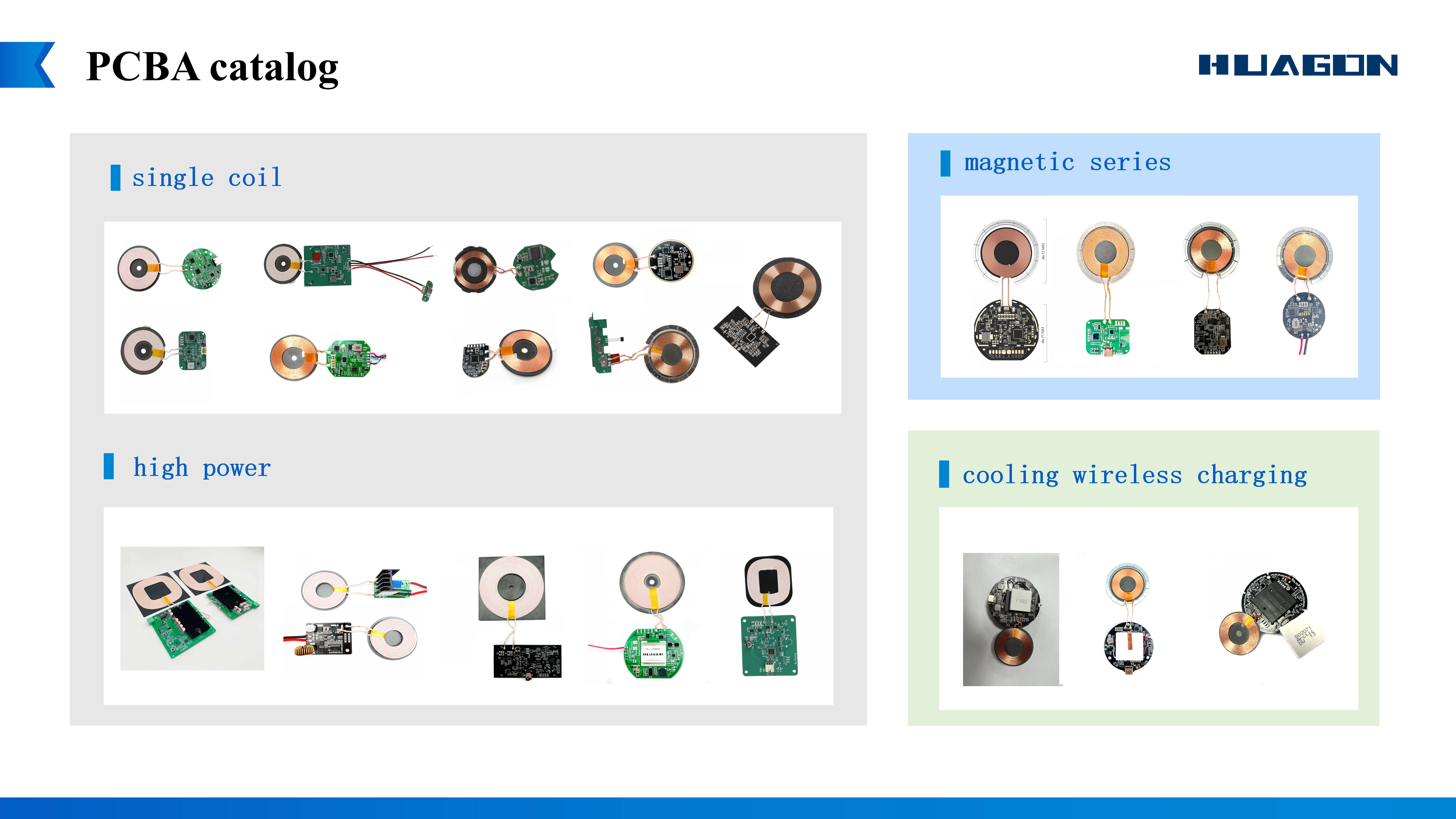
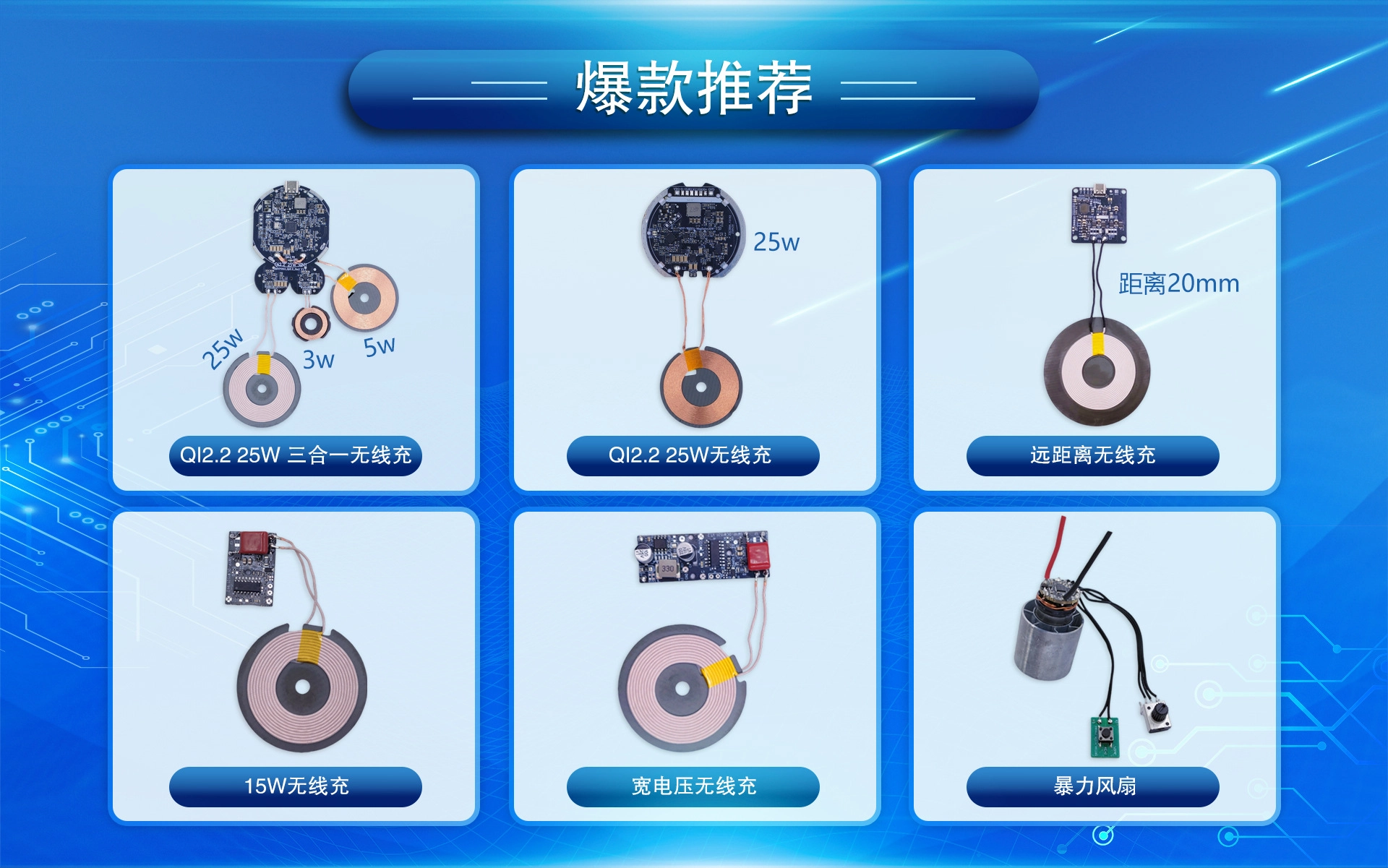
Coil geometry can be tailored beyond the standard 50mm circular type to oval, race-track, or other custom shapes, with turns and ferrite thickness adjusted to fit internal device stacking constraints. PCB layouts are equally adaptable—available in round, strip, or L-shaped configurations with separated power and signal layers to mitigate EMI at high currents.
2.2 System-Level Engineering
Protocol support covers the Qi2.2 MPP Baseline Profile and can be augmented with proprietary fast-charging protocols (e.g., QC/PD handshake) upon request.
Comprehensive protection includes FOD (coin-sized metal object detection), OTP with multi-channel NTC sampling, OCP, and OVP—all thresholds adjustable via firmware.
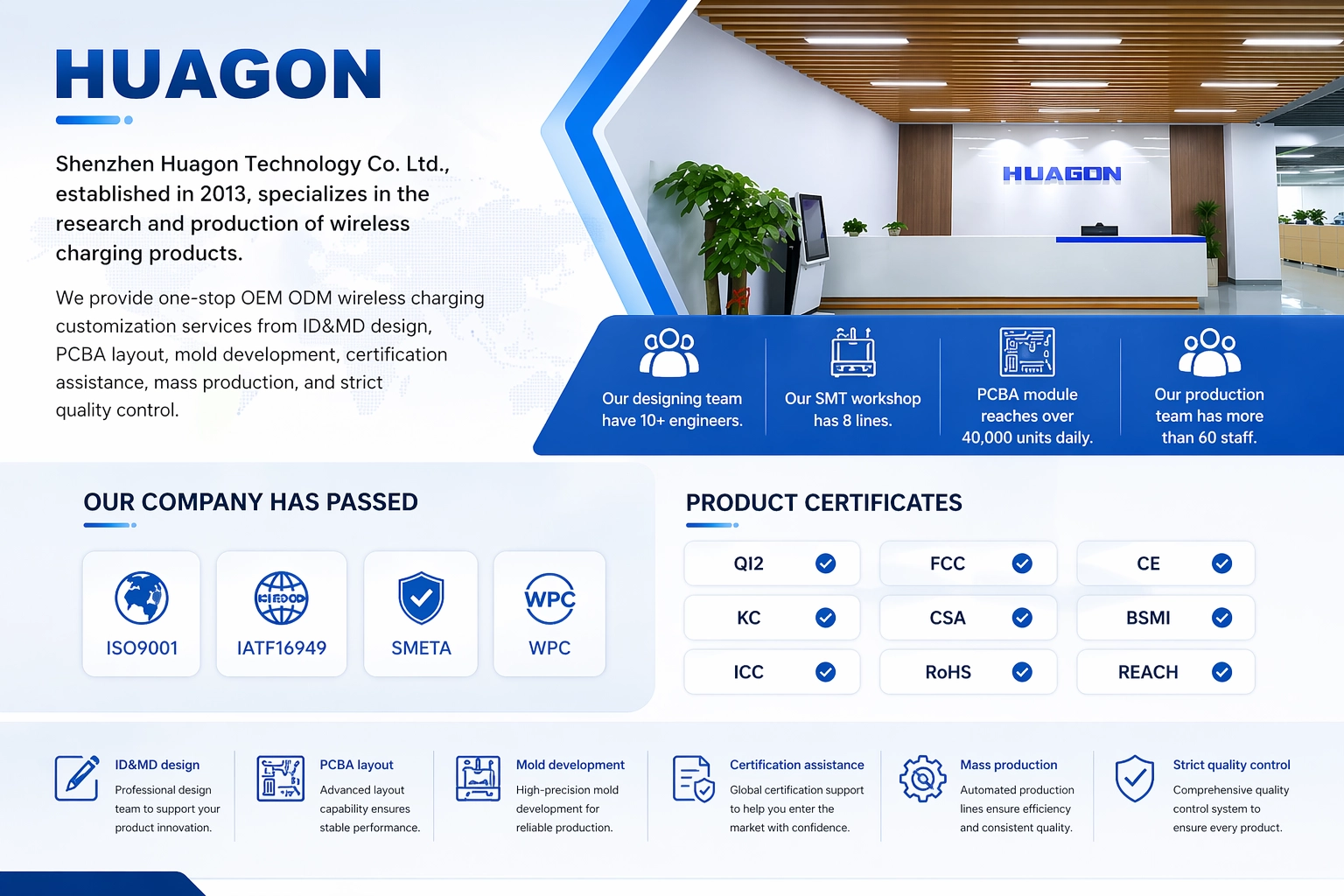
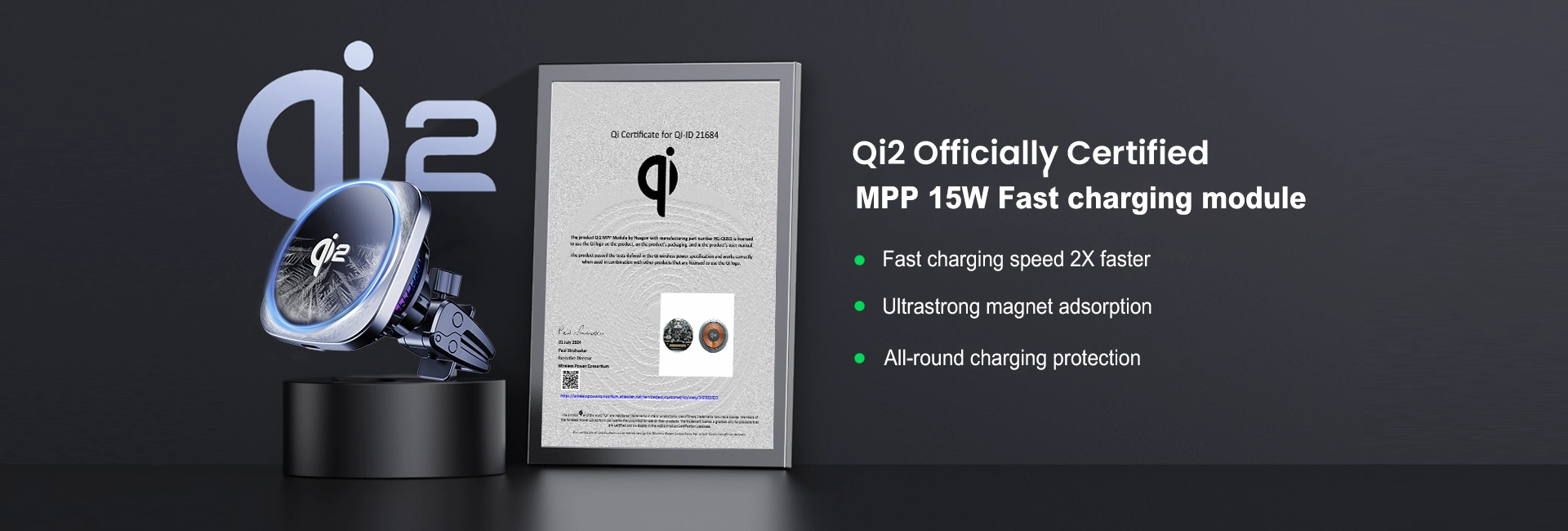
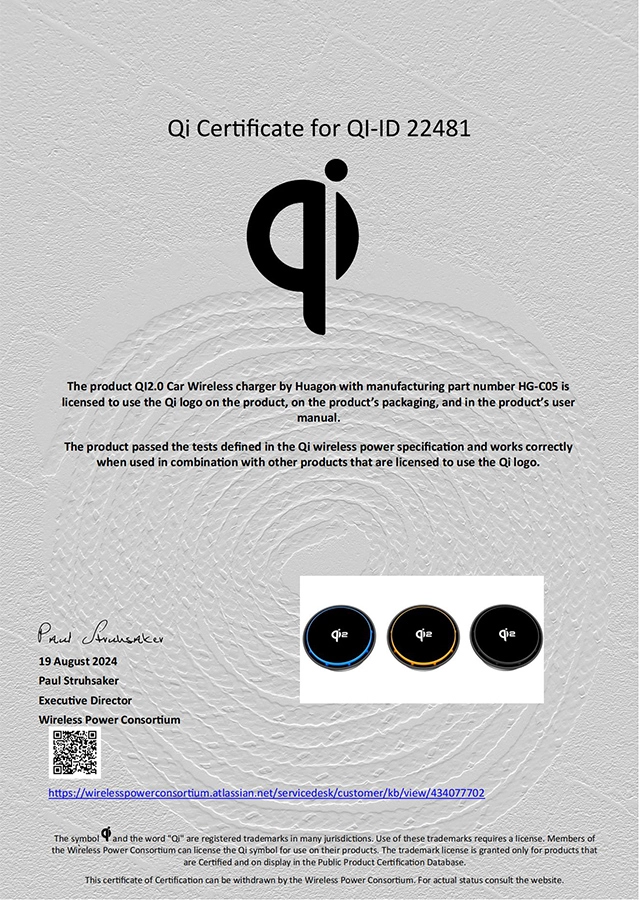
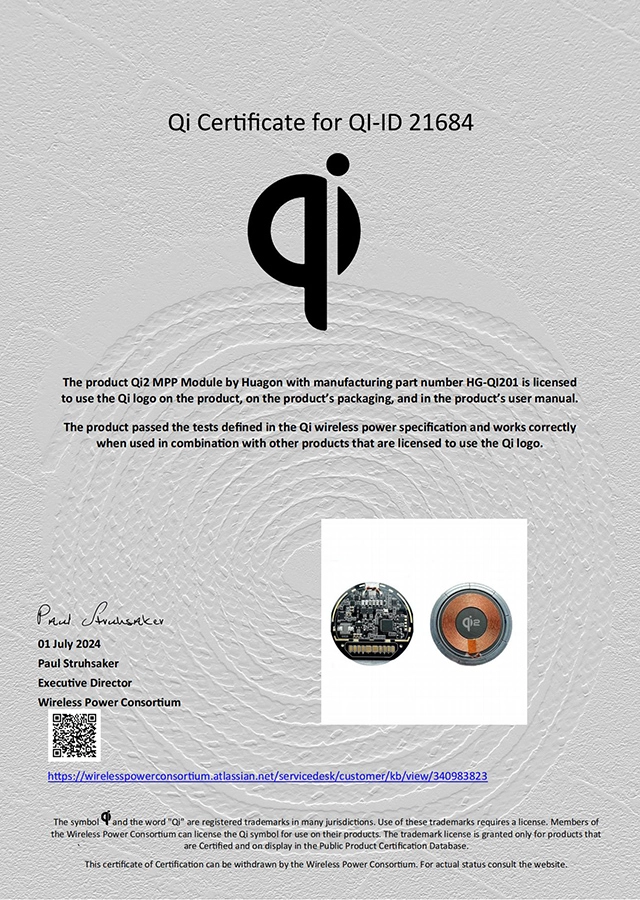
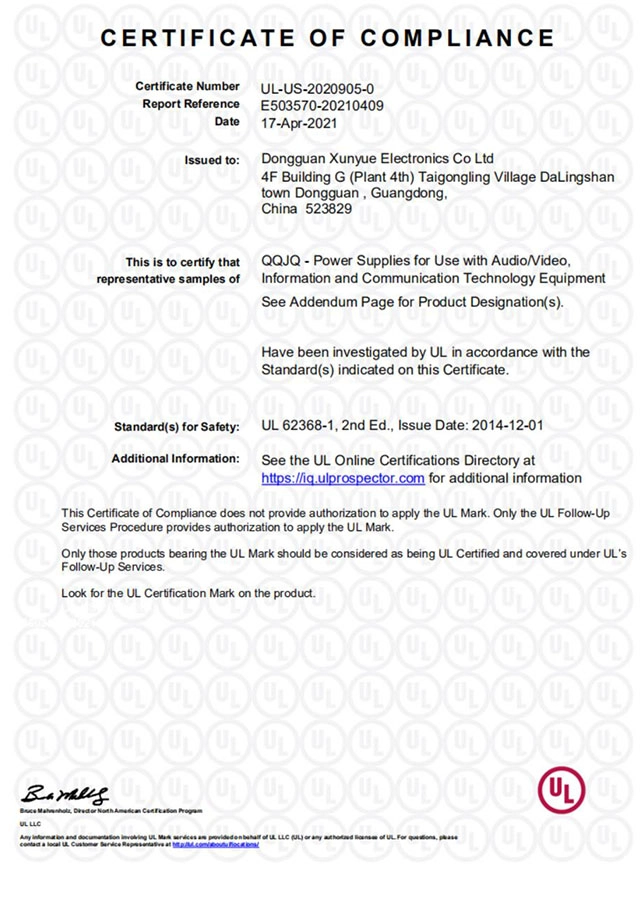
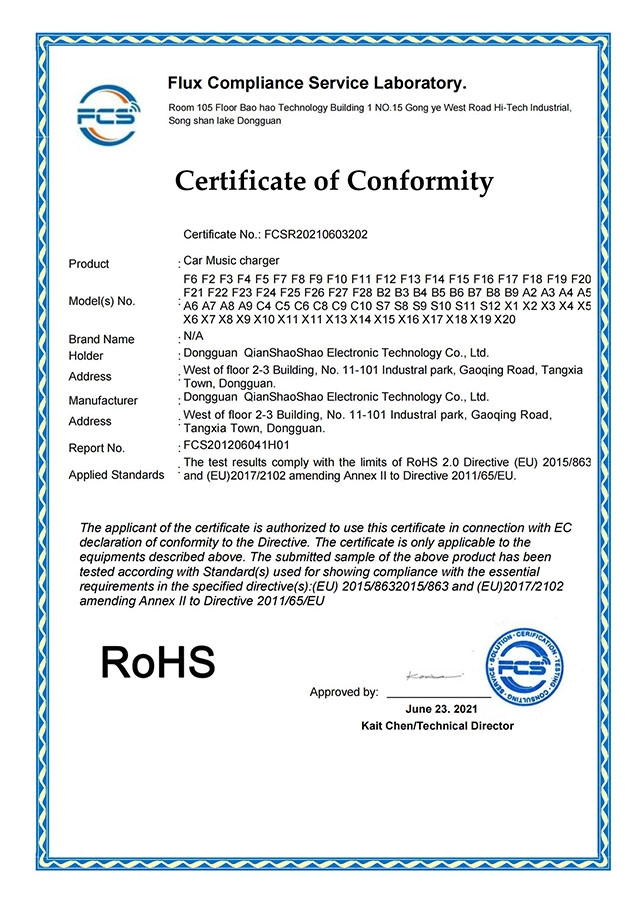
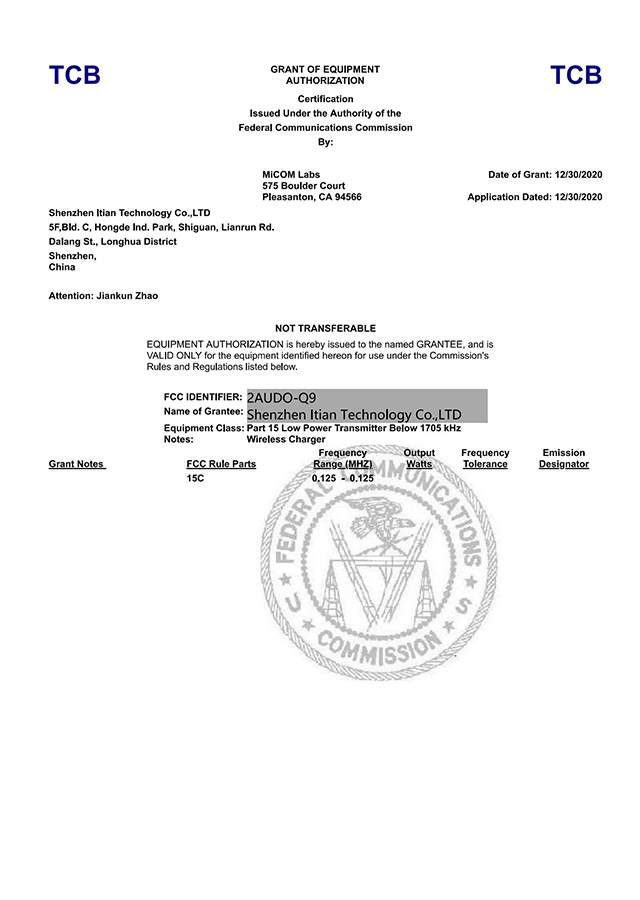
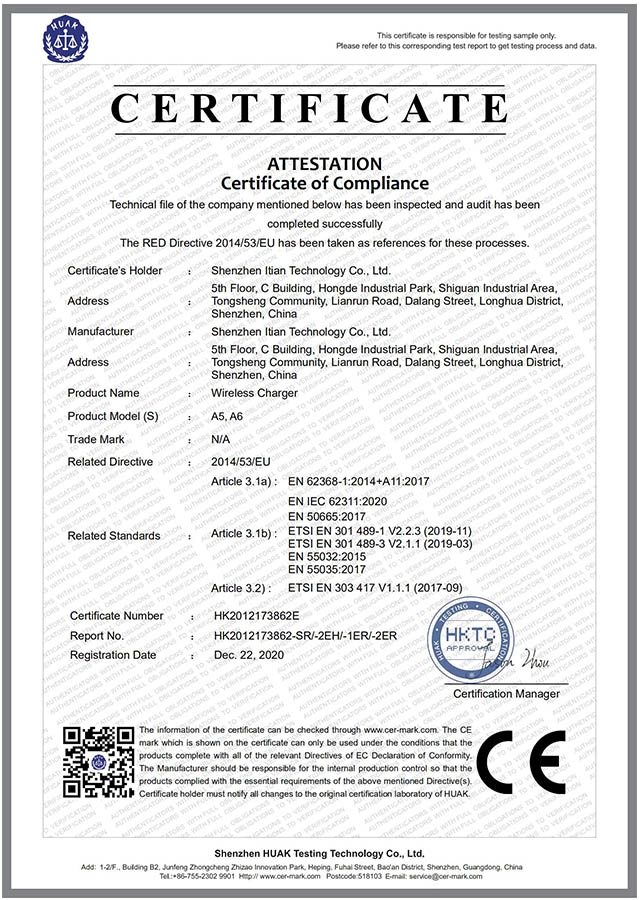
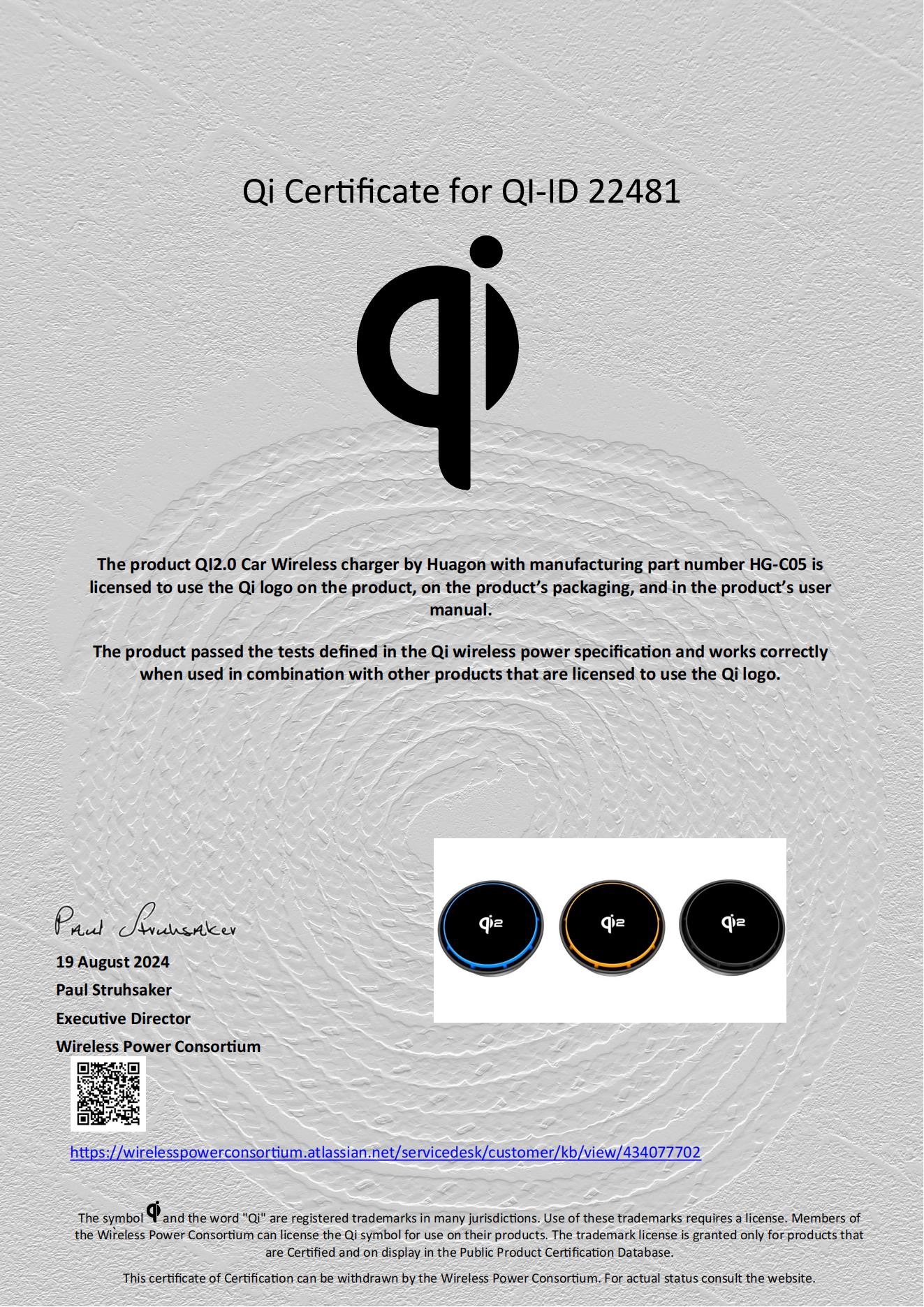
Certification assistance streamlines WPC Qi2.2 compliance testing (including MPP certification) and global market approvals such as CE, FCC, KC, and RoHS.
2.3 Full-Cycle OEM/ODM Delivery
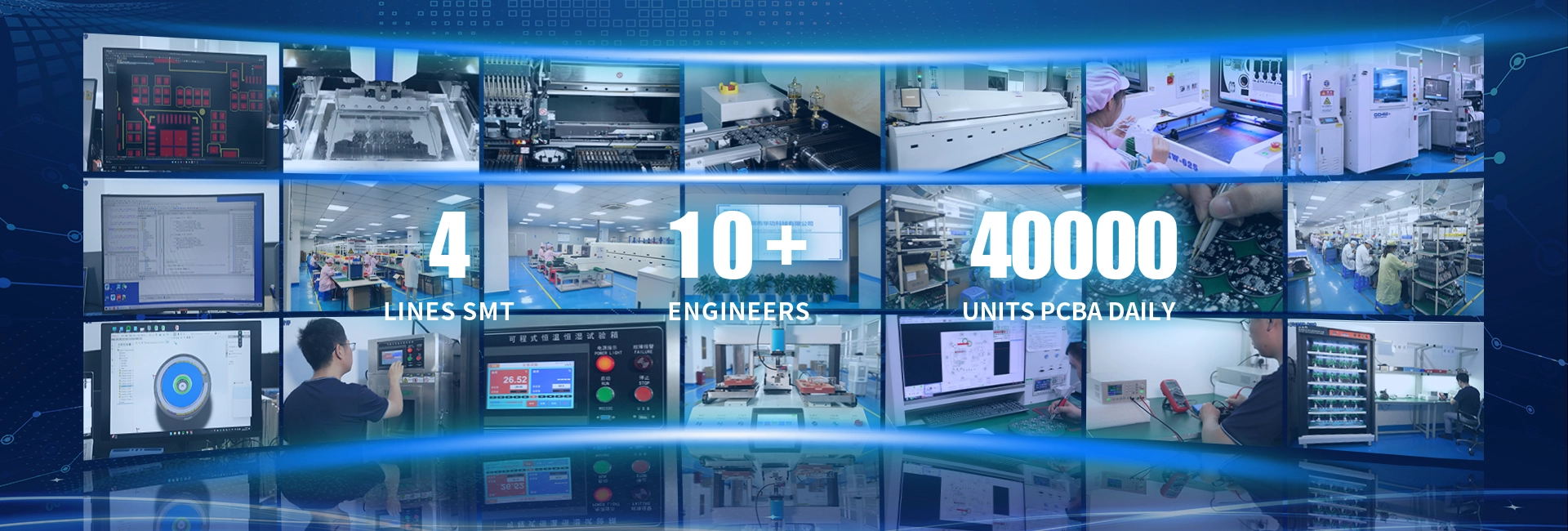
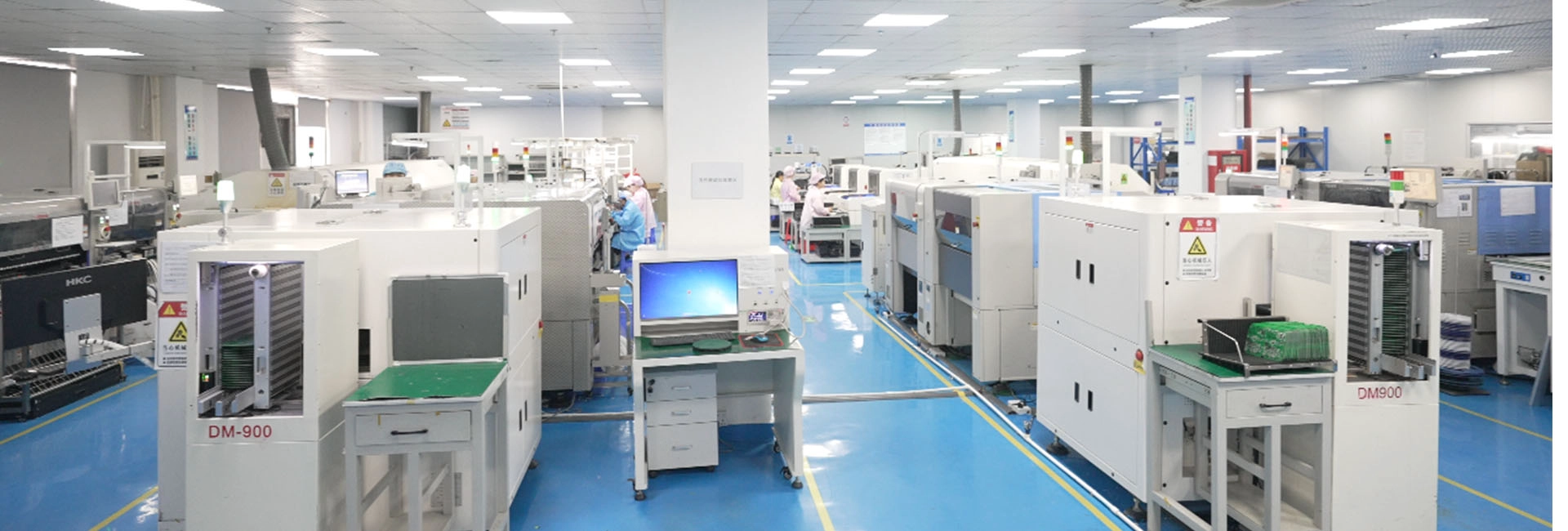
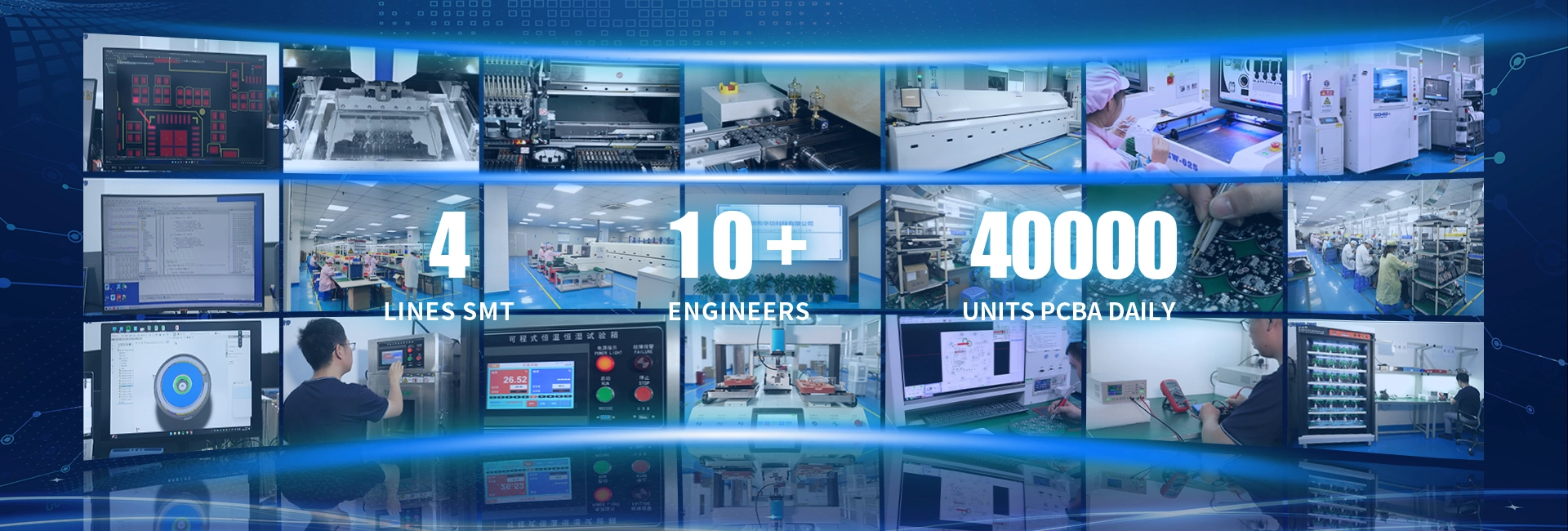
With in-house capabilities from electromagnetic simulation and schematic design to prototyping, EMC rectification, and volume production, a typical project can produce an initial design blueprint within three working days and deliver engineering samples within four to six weeks, significantly reducing time-to-market.
3. Application Scenarios: Where 25W Meets Real-World Needs
The value of a 25W module is realized differently across distinct use cases, each demanding a tailored engineering approach.
3.1 Automotive (OEM and Aftermarket)
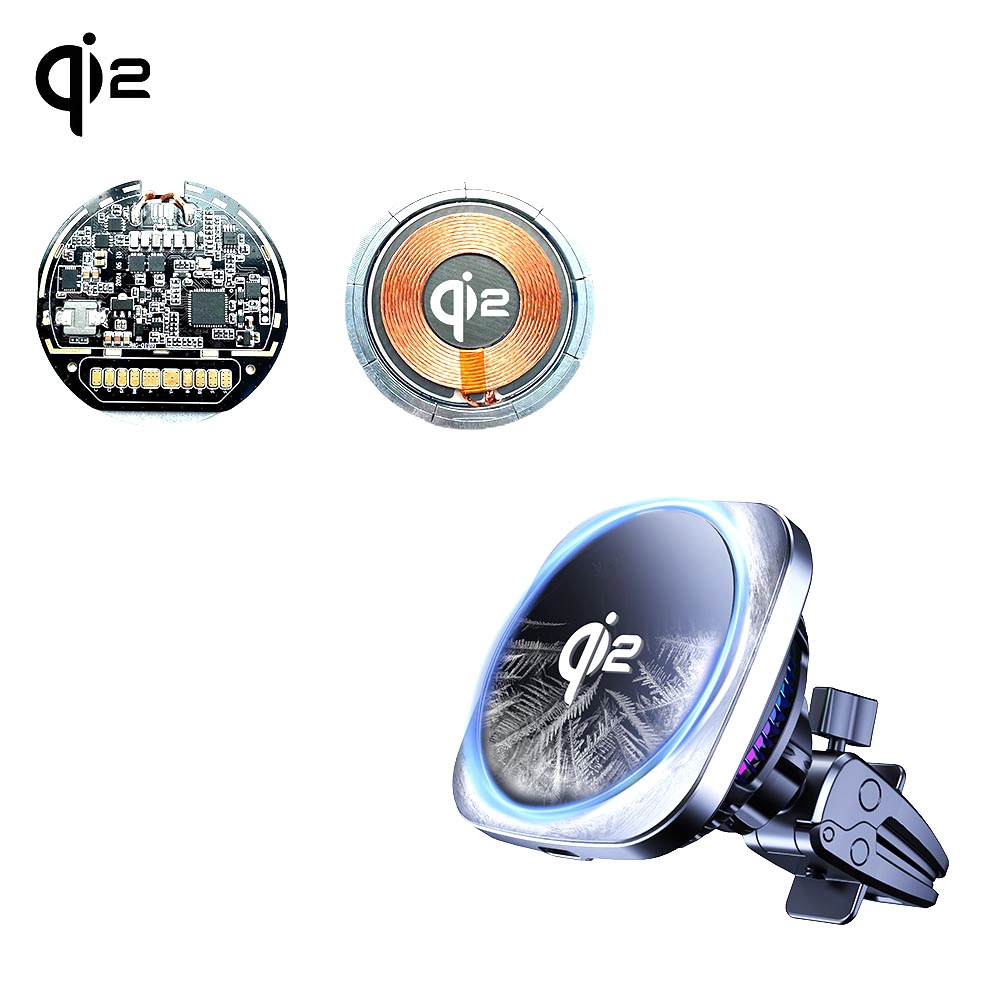
Vehicle environments require wide temperature tolerance (-40°C to 105°C), vibration resistance per ISO 16750, and robust EMC performance. A recommended configuration employs a coil-PCBA split architecture, housing the main control board remotely while placing only an ultra-thin coil assembly (≤2.5mm) at the charging surface. Active fan cooling or PTC heat spreaders sustain 25W output even after cabin heat soak. Magnetic hold force can be specified above 15N to secure devices on rough roads.
3.2 High-End Desk and Furniture Integration
Embedding wireless charging into office desks, conference tables, or nightstands has become a hallmark of premium smart furniture. For such installations, potting with thermally conductive silicone (≥3.0 W/m·K) covers both coil and PCBA, channeling heat through a large metal base plate while achieving IP54 ingress protection. Wide input compatibility (9V/12V/15V) allows direct integration with furniture-mounted power distribution systems.
3.3 Multi-Device Charging Stations
For products that simultaneously charge a phone, TWS earbuds, and a smartwatch, a single master controller with time-multiplexed multi-coil architecture is optimal. The primary channel delivers 25W phone charging, while secondary channels provide 5W/3W for accessories—all under unified thermal and power management, minimizing both cost and footprint.
4. Thermal Management: The Key to Sustained 25W Output
At 25W, heat flux density is approximately 2.5 times that of a 15W design. Choosing the right thermal path is critical to maintaining full-power operation without throttling. Three established approaches are summarized below:
Active air cooling uses a miniature axial fan with directed airflow, reducing core temperature rise by 5–8°C. It enables sustained full-power output and stable thermal performance, making it ideal for desktop chargers and high-power-density products.
Coil-PCBA separation physically isolates the main heat-generating PCBA from the coil via a flexible printed circuit, preventing heat from conducting directly to the device under charge. This allows an ultra-slim charging head (≤6mm) and is well suited for magnetic pucks and vehicle-mounted chargers where user experience prioritizes low profile.
Thermal potting encapsulates components with high-thermal-conductivity silicone, spreading heat across a large metal enclosure. This passive, fully sealed structure achieves high ingress protection and exceptional reliability, making it the preferred choice for furniture embedding, industrial settings, and automotive pre-installation.
In practice, a hybrid approach combining separation architecture with localized thermal pads often yields the best balance between slim design and thermal performance.
5. Conclusion: Huagon Customization as a Competitive Moat
The 25W Qi2.2 wireless charging module is a mature, production-ready solution. However, for end-product brands, the true differentiator lies not in simply adopting a high-spec module, but in how deeply its electrical, mechanical, and thermal characteristics are integrated with the product's industrial design and intended usage scenarios.
Partnering with a supplier that offers WPC certification resources, full-spectrum electromagnetic simulation and thermal engineering capabilities, and agile volume manufacturing will directly impact the efficiency and quality of the journey from concept to market. As wireless fast charging becomes increasingly commoditized, deep customization remains the most effective path to building a defensible competitive advantage.